What Coverage B pays for, and why detached structures blow through it
What Coverage B covers
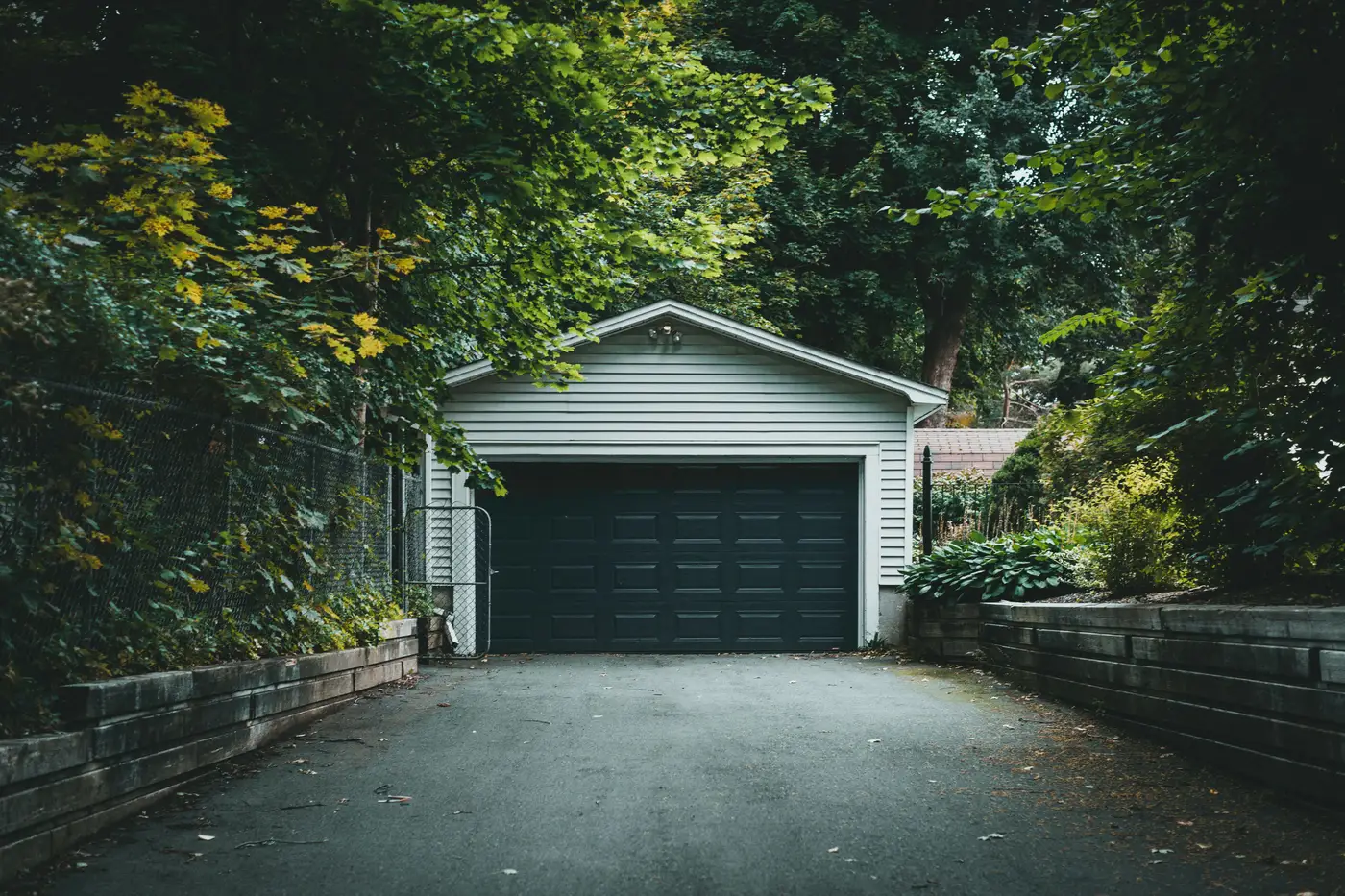
On a standard HO-3, Coverage B, sometimes labeled Other Structures, pays to rebuild anything on the property that isn't the house itself and isn't attached to it. A detached garage, a shed, a freestanding pool house, a fence, a workshop out back. If it's not connected to the dwelling by a wall, a roofline, or a breezeway, it falls under B, not A.
Most carriers set Coverage B automatically at 10% of the Coverage A dwelling limit. Write a house for $400,000 and the file carries roughly $40,000 for everything else on the lot. That number gets calculated once, usually at binding, and then it sits there untouched renewal after renewal while the property around it changes.
Why the sublimit gets outrun
The 10% figure was never meant to track what actually gets added to a lot over time. A policyholder puts up a pole barn, converts the garage into a guest suite, builds a pool house with a kitchenette, or adds a detached workshop for a side business. None of that shows up on a renewal questionnaire unless the policyholder volunteers it, and most people don't think of a shed or a cabana as something an insurance company needs to know about.
So the sublimit stays fixed at whatever was calculated off the original dwelling value, while the real replacement cost of the detached structures on the lot climbs. A $40,000 sublimit written five years ago against a $400,000 dwelling can be badly short once you count a garage conversion, a pool house, and a couple of outbuildings that went up without a permit pull you'd ever see.
This is where the gap turns into a claim conversation instead of a renewal note. A detached garage burns, or a pool house gets taken out by a fallen tree, and the rebuild estimate comes in well above the 10% limit on file. At that point the underwriter is explaining a sublimit the policyholder never knew existed, on a structure the file never knew existed either.
The disclosure problem underneath the limit
Coverage B reads like a limit problem, but the limit problem traces back to a disclosure problem. Nobody re-measures a lot at renewal. The original application captured what was on the property the day it was written, and after that the file runs on the honor system. A homeowner adds a detached structure and has no particular reason to call it in, because "I built a shed" doesn't register as "I should update my insurance" for most people signing the renewal notice.
That's a reasonable assumption for a homeowner and a bad one for an underwriter sitting on a flat sublimit. The structures that blow through Coverage B, the finished-out pool house, the oversized workshop, the garage converted to living space, are exactly the ones that go undisclosed, because they're additions made after the policy was already in force.
Raising the Coverage B percentage or scheduling an endorsement for a known outbuilding only helps once someone flags that the structure exists. For everything else sitting on the lot that never made it onto an application, the sublimit is set against a property the file doesn't fully describe.
Liability Features was built around that gap. It scans the parcel from current aerial or satellite imagery once a year and flags detached structures, pools, and other features that have appeared since the last pull, so a Coverage B limit gets checked against what's really on the lot instead of what was there at binding.
A detached structure that's been sitting on a property for three renewal cycles doesn't send a disclosure notice on its own. Put the annual sweep on the file instead.