What is a renewal inspection in homeowners insurance?
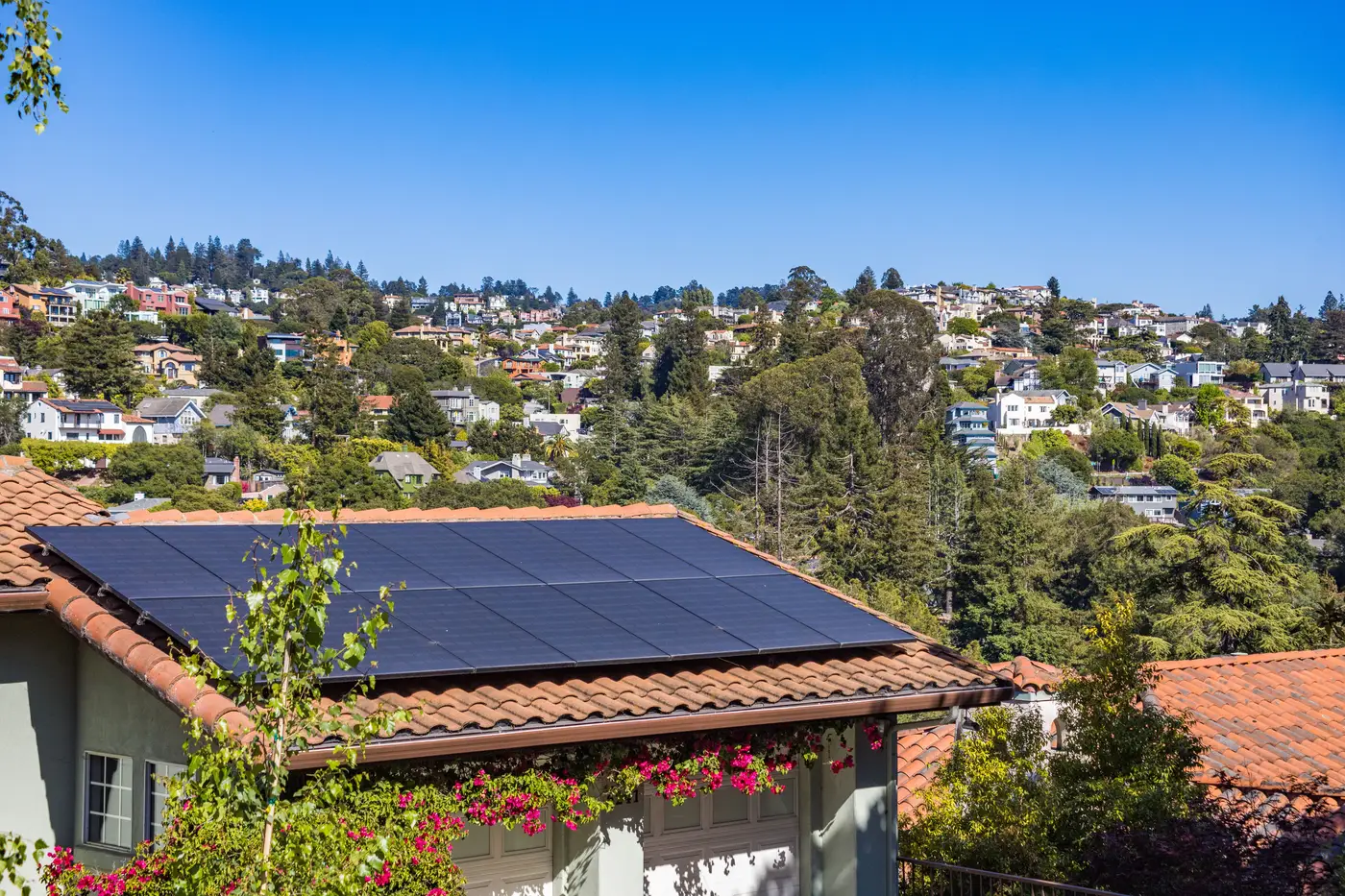
A renewal inspection is the exterior review a carrier runs on a policy that's already in force, not the inspection that happens when the application first lands on someone's desk. New business underwriting looks at what the applicant disclosed and whatever photos or reports came with the file at bind. A renewal inspection asks a different question: does the property today still match what's on the schedule of coverage.
That gap matters more than most rating engines account for. A roof that passed underwriting four years ago has weathered four more winters. A detached garage that didn't exist at bind might be sitting in the backyard now. None of that shows up unless someone looks again.
Why carriers inspect at renewal and not just at new business
New business review is a one-time snapshot taken under time pressure, often with an agent trying to get the policy bound before a closing date. It's thorough for what it is, but it's frozen at the moment of application.
Risk doesn't stay frozen. Homeowners add pools, build sheds, put up trampolines, install solar arrays, and finish basements without ever calling their agent, because most people don't think of a backyard addition as an insurance event. It's just a weekend project. The result is a policy file that drifts further from the actual risk every year it renews on autopilot.
A renewal inspection, or exterior renewal review, is the mechanism that catches that drift. Instead of re-underwriting the whole file, it checks the exterior condition and footprint of the property against what's currently on record, flags anything that's changed, and routes the discrepancies to an underwriter for a decision: rate it, exclude it, or request more information before the term renews.
What an exterior renewal review typically looks for
Most reviews focus on features a carrier can confirm without stepping onto the property, since that's the part of the file renewal underwriting can touch at scale:
- Pools, hot tubs, and other water features that add liability exposure
- Trampolines and playground structures
- Solar panel installations, which change replacement cost and sometimes require an endorsement
- Detached structures such as garages, sheds, guest houses, or workshops
- Visible roof condition and obvious exterior damage
These are the features that change the risk and the coverage limit, and they're also the features a homeowner has the least reason to report. A pool doesn't come with a form. It just gets built.
How this differs from a full property inspection
A full property inspection, interior and exterior, with a human on-site, is expensive and slow to schedule across a whole renewal book. Carriers reserve it for high-value homes, specific loss triggers, or properties flagged for cause. For the rest of the book, an exterior renewal review done from current imagery is the practical substitute: it covers everything visible from outside, on a cadence you can actually run across the whole portfolio instead of a sample of it.
The honest limitation is that it's exterior only. It won't catch undisclosed interior renovations, and it isn't a substitute for an inspection triggered by a specific loss or underwriting concern. What it does well is the thing most books never check at all: whether the outside of the property still looks like what the policy says it is.
When a renewal inspection changes the policy
If the review turns up something that wasn't on file, like an undisclosed pool, a new detached structure, or a solar install, that typically goes to underwriting for a rating or coverage decision rather than an automatic cancellation. Closing that gap between the schedule and the property matters before a claim does it for you, usually at the worst possible moment, with a loss already on the table and a coverage dispute attached.
That's the exact gap Liability Features is built to close, with an annual exterior sweep that flags pools, trampolines, solar arrays, and detached structures against your policy list instead of waiting for a claim to surface them. If your renewal book hasn't had an exterior look in a while, it's worth finding out what's changed before the next claim does.