Trampoline exclusions in homeowners policies, explained
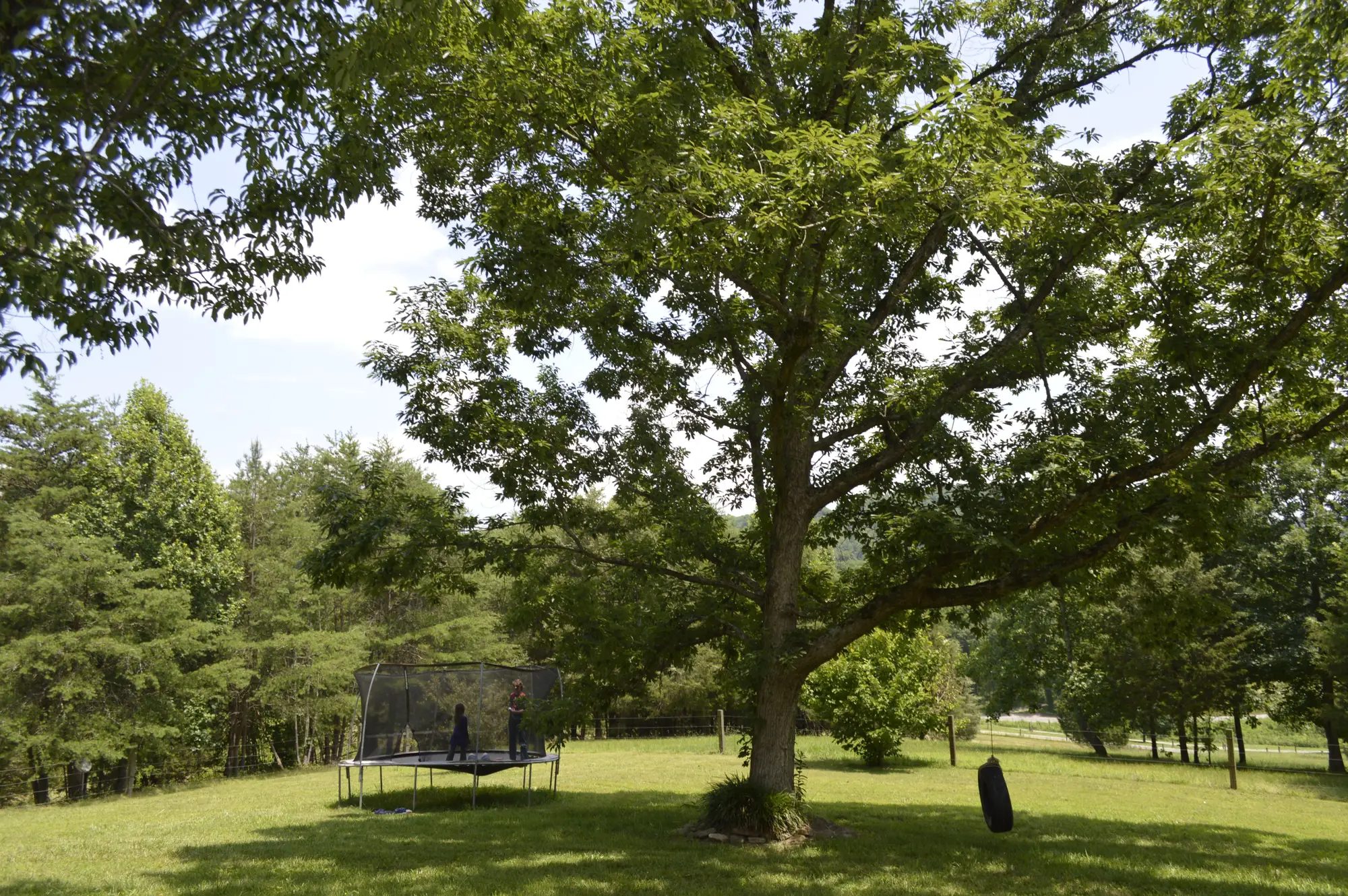
A trampoline exclusion shows up in a lot of homeowners forms, but "excluded" doesn't always mean what agents tell policyholders it means. Some endorsements bar coverage for the trampoline itself if it's damaged. Others go further and exclude liability arising from its use entirely, which is the version that matters at renewal. If you're staring at a loss run with a trampoline-related claim on it, the exclusion language in the file determines whether that claim should have been covered at all, and whether the account should still be on your books.
What the exclusion does
Most ISO-based HO-3 forms don't flat-out ban trampolines. What you'll typically find is either a trampoline liability clause attached as an endorsement, or an underwriting requirement that the insured carry a net and enclosure, maintain a certain setback from fences, or disclose the equipment so a surcharge can be applied. The exclusion itself usually targets bodily injury to guests or neighborhood kids using the trampoline, since that's where the real exposure sits. Property damage to the trampoline is a smaller line item by comparison.
The catch for underwriting is that none of this works if the trampoline was never on the application. A policyholder who didn't think to mention a backyard trampoline isn't lying, most of them genuinely don't know it's underwriting-relevant. But the file still reads as if the risk doesn't exist, which means the exclusion never got attached, the surcharge never got applied, and the next renewal rolls through clean. Then a claim comes in from a kid who broke an arm on it, and now you're litigating whether the unendorsed policy owes coverage.
Recreational equipment exclusions beyond trampolines
Trampolines get the most attention because they generate the most attractor-nuisance claims, but the same gap shows up with above-ground pools, zip lines, skateboard ramps, and in-ground diving boards. Most carriers handle these the same way: either exclude liability outright, require specific safety features before binding, or load the premium to reflect the attractive nuisance exposure. The recreational equipment category is really a catch-all for anything on the lot that draws neighborhood kids and carries a meaningful injury risk, and trampolines are just the most common item in that bucket.
What ties all of these together is the disclosure problem. A pool built three summers ago, a trampoline bought for a birthday, a solar array financed through a home improvement loan. None of these show up on a renewal questionnaire unless the policyholder remembers to mention them, and most don't, because from their side nothing about the coverage changed. The file stays static while the actual risk on the ground keeps shifting.
Why this matters more at renewal than at new business
At new business, you've got an inspection or at least a fresh application in front of you. By the third or fourth renewal, most books are running on inertia: the same limits, the same endorsement schedule, no new inspection triggered unless a claim forces one. That's exactly the window where a trampoline goes up, a pool gets installed, or a shed gets converted into something bigger than the original footprint. The exclusion language in your forms is fine. The problem is you don't know which files it needs to be attached to.
Some shops handle this with a reinspection cycle, sending someone out every few years to walk the lot. That works, but it's slow and it only covers a fraction of the book in any given year. The alternative is to check the property itself rather than wait for the policyholder to volunteer the update. Liability Features runs an annual sweep of very-high-resolution imagery across a book of policies and flags pools, trampolines, solar installations, and detached structures that show up on the ground but aren't reflected in the file, delivered as a CSV keyed to the policy list so it drops straight into a renewal review.
A few things worth knowing
Does a trampoline automatically void homeowners coverage? No. It triggers whatever exclusion or endorsement your carrier attaches for recreational equipment, which varies by form and state. The equipment itself doesn't void the policy, but an undisclosed one can leave a gap between what the policyholder thinks they have and what's written in the file.
Is a trampoline liability clause the same everywhere? No, language varies by carrier and sometimes by state filing. Some require a net and enclosure as a condition of coverage rather than excluding liability outright.
Can an insurer non-renew over an undisclosed trampoline? Generally yes, non-disclosure of a material fact is grounds for non-renewal or even rescission in some jurisdictions, though the specifics depend on your state's regulations and the policy language itself.
If your renewal process depends on the policyholder remembering to mention the trampoline, it's worth finding out what else on that lot never made it onto the file.