Swim spa vs. hot tub: how homeowners underwriters classify them differently
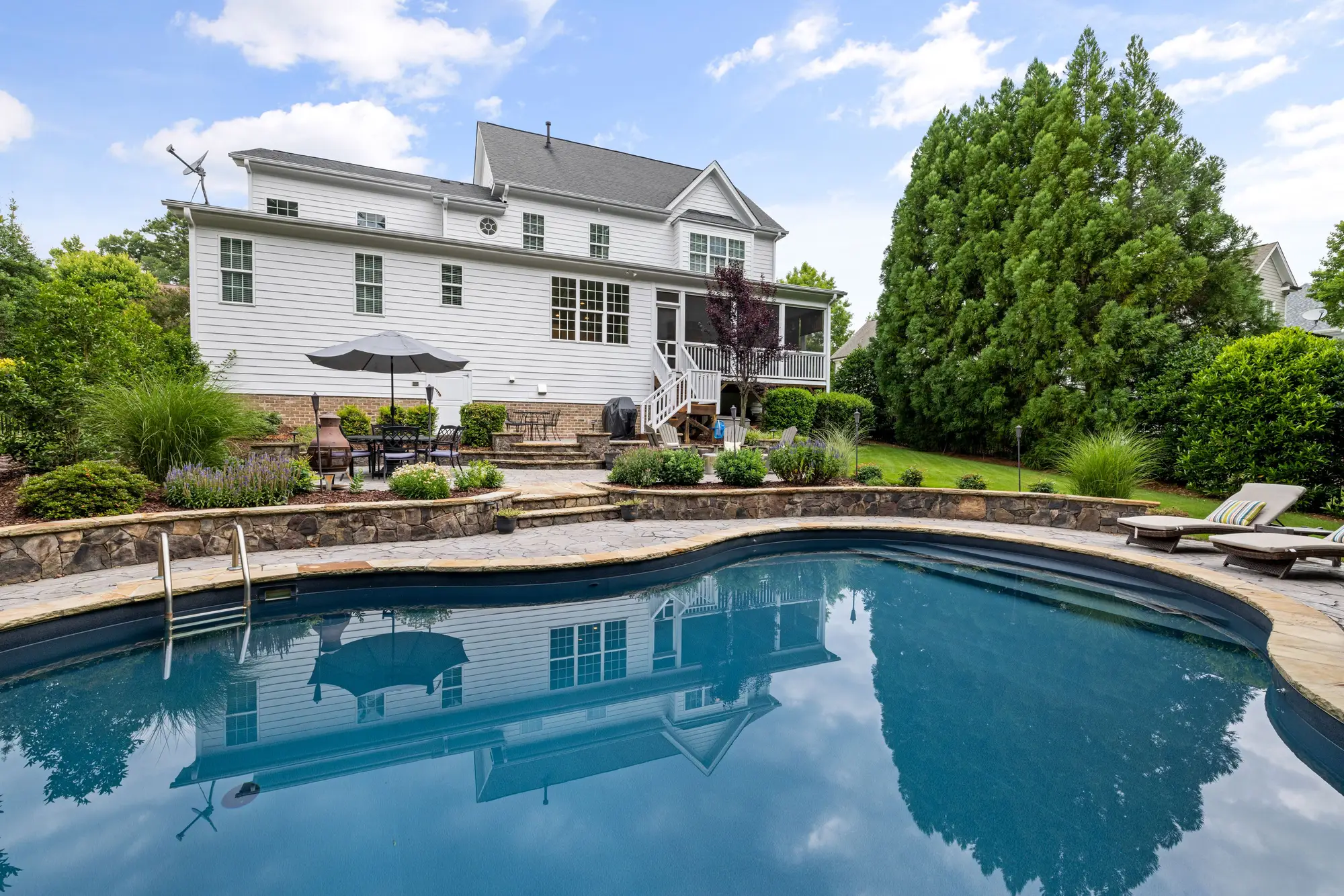
A broker calls it a "hot tub." The applicant calls it a "spa pool." The contractor's invoice says "swim spa, 15-foot." Three names, three different ways that feature should land on a homeowners file, and only one of them tells you whether you're looking at a liability exposure that needs a fence, a self-latching gate, and a higher personal liability limit.
The confusion is understandable. Both are enclosed bodies of heated water. Both sit on a deck or a slab. Both get sold by the same backyard-leisure dealers, sometimes in the same showroom. But the size and the use case split them into two different underwriting buckets, and that split matters more than the sales brochure lets on.
Why the line falls where it does
A hot tub is treated as personal property, closer to a large appliance than a structure. It's typically small enough (under 10 or so feet across, a few hundred gallons) that most jurisdictions don't require pool-style fencing or a permit beyond an electrical hookup. Underwriters generally fold it into the dwelling or other-structures coverage without a separate endorsement, the same way a built-in generator or a hardwired sauna gets handled. The liability exposure is the exposure of any sunken hazard with hot water and a cover: a slip-and-fall risk around a fixed appliance, with none of the drowning exposure of standing open water on the lot.
A swim spa is a different animal wearing similar marketing copy. These run anywhere from 12 to 20 feet, hold several thousand gallons, and are built for lap swimming against a current, not for soaking. Once a unit crosses roughly that size and function threshold, most state and local codes start treating it like a swimming pool for permitting and fencing purposes. That's the detail that matters for the file: if the municipality calls it a pool, your liability underwriting should too. That means barrier requirements, often a pool liability endorsement, and in some books a bump to the personal liability limit or a mandatory umbrella.
The size cutoff isn't uniform state to state, and plenty of local codes don't even use the term "swim spa." An applicant who lists a 16-foot unit as a hot tub is naming it the way the dealer sold it to them, by brand category, not by the risk class an underwriter would assign.
What shows up on the application, and what doesn't
Here's the part that actually costs money at claim time. A policyholder who adds a hot tub rarely thinks to call it in, and most carriers don't require them to for a unit that small. A policyholder who adds a 16-foot swim spa also rarely calls it in, for the same reason: in their head it's "the hot tub we upgraded to." Nobody tells them the underwriting treatment changed along with the plumbing.
So the file sits unchanged while the backyard exposure didn't. At renewal, the declarations page still reads like it did three years ago. A claims adjuster is the one who eventually discovers the 16-foot swim spa, usually after a neighbor's kid gets hurt on it, and by then the liability limit on file was set for a yard that, as far as the carrier knew, had none of this.
This is exactly the gap an annual imagery sweep is built to close. Pulling very-high-resolution aerial or satellite shots of the parcel at renewal time surfaces the pool-shaped or spa-shaped feature on the lot regardless of what the policyholder called it when they bought it. You still make the underwriting call on fencing, class, and limit. Liability Features just makes sure the feature is in front of you before renewal instead of after a loss.
The practical test for your file
If you're staring at an application or a renewal photo and need a quick gut check: ask about size and intended use, not the product name. A unit under roughly 10 feet built for soaking is a hot tub. A unit built for swimming against a current, generally 12 feet or longer, gets treated as a pool-class exposure, fencing requirements and all, no matter what's printed on the cover.
When in doubt, check what the local permitting office called it when it went in. If the jurisdiction required a pool permit and a barrier, your file should carry the same classification, and the liability limit should reflect it.