Satellite imagery vs. windshield survey for renewal underwriting
Every renewal cycle, someone on the team has to decide how much of the book gets a fresh look at the dwelling versus how much renews on the strength of last year's file. The two desktop options that keep coming up are the windshield survey and the satellite imagery sweep. They get lumped together as "exterior inspection alternatives," but they don't do the same job, and picking the wrong one for a given segment either burns budget or leaves exposure sitting undetected until a claim surfaces it.
What a windshield survey delivers
A windshield survey sends someone (or a vendor's contractor) past the property in a vehicle to photograph the front of the dwelling and note visible condition: roof wear, siding, overgrown vegetation, a car on blocks in the driveway. It's been the standard desktop alternative to a full physical inspection for decades, and it works well for what it's built for, which is condition and curb appeal.
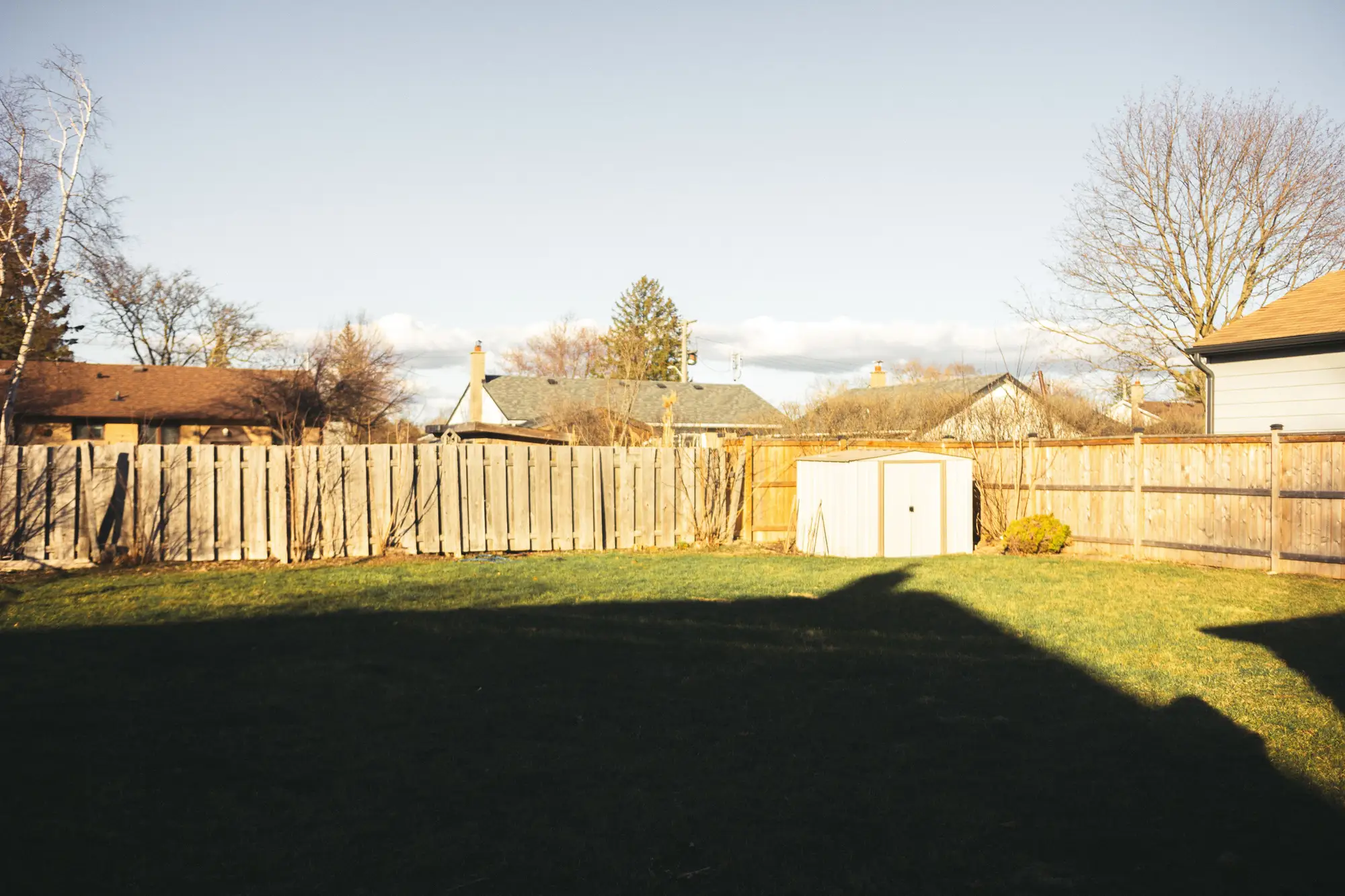
What it doesn't do well is the back yard. The surveyor is on the street. The pool, the trampoline, the detached shed that went up two summers ago, the solar array mounted on the rear roof slope, none of that is visible from a passing vehicle unless the policyholder happens to have it facing the road. You end up with a report confirming the house looks fine from the front and silent on the liability features that actually change the limit.
Where satellite imagery fills the gap
Very-high-resolution satellite or aerial imagery, the kind with a ground sample distance of 0.3 meters or better, gives you a straight-down view of the whole parcel. That's the view that catches what a drive-by structurally cannot: a pool with no fence yet logged on the file, a trampoline in the back corner of the lot, rooftop solar that was never reported because the homeowner didn't think of it as something underwriting needed to know, a detached garage or guest structure added after the original application.
It's not a condition report. Imagery at that resolution tells you a feature exists on the parcel; it doesn't tell you the roof is five years past its expected life or that the gutters are falling off. If condition is the question, a windshield survey or a physical inspection still answers it better.
The practical difference comes down to this: windshield surveys are priced and scheduled per property, which makes sense when you're pulling a handful of flagged risks for a closer look. An imagery sweep run across the whole homeowner book once a year, with results delivered as a CSV keyed to your policy list, is built for coverage at volume rather than depth on a single file. You're trading inspection depth for the ability to check every renewal for the undisclosed stuff instead of just the ones that get pulled for review.
Picking between them at renewal
For most books, the two aren't really competing for the same job. A windshield survey, or a full inspection, still makes sense wherever condition is the open question: roof age, deferred maintenance, general habitability. An annual imagery pass is the better fit for the disclosure gap: the pool, trampoline, solar, and detached structures that rarely make it onto an application and that policyholders have no particular reason to think to mention at renewal.
If your renewal review process currently depends on the homeowner remembering to tell you about the pool they put in last spring, that's the gap worth closing first, since it's the one you'd otherwise only learn about when a claim comes in. Liability Features runs that annual sweep and hands back a file-ready list of what's on the parcel that isn't on the policy.
Run both, if the segment and budget allow it: imagery for what's on the parcel, a windshield survey or inspection for how the dwelling itself is holding up. Just don't ask one to do the other's job.
Worth a look if your renewal file is missing more pools and solar arrays than you'd like to admit.