Pool fence requirements and your homeowners renewal: what actually matters
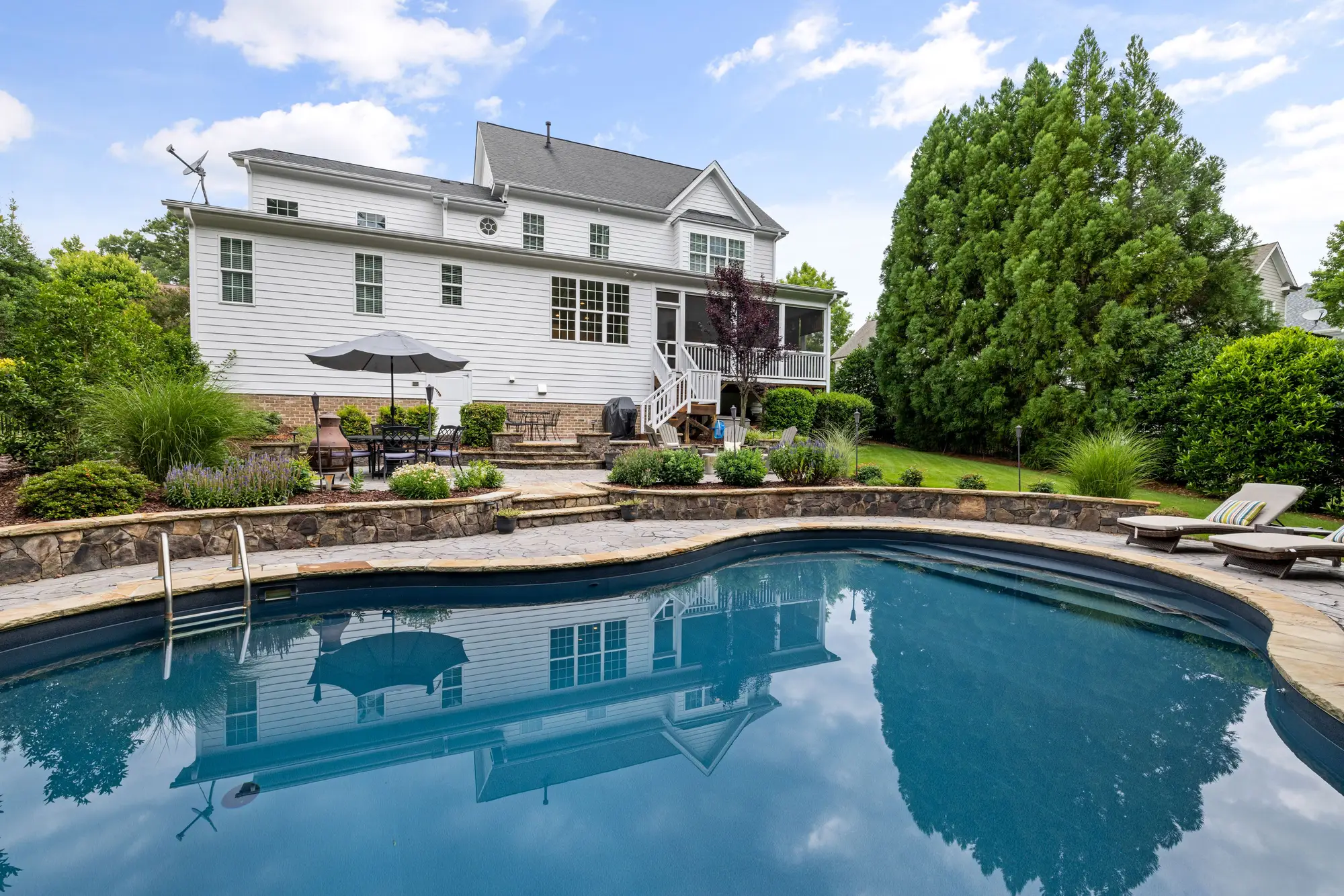
Every state handles pool fencing differently, and some counties layer their own ordinance on top of the state code. Underwriters get asked about this constantly at renewal: does the policy require a four-sided barrier, does a self-latching gate satisfy the requirement, does the house itself count as one side of the enclosure. None of that is yours to enforce. Building code compliance sits with the municipality. What sits with you is the liability rating factor the pool creates, whether or not the fence around it meets code.
That distinction gets lost a lot. An agent pulls up the state statute, confirms the policyholder says they have a compliant barrier, and the file moves on. Few renewal files get an actual look at the yard before that happens.
The barrier question and the liability question are not the same question
A pool fence that meets local code lowers the odds of an incident. It does not change the fact that an in-ground or above-ground pool is an attractive nuisance under the doctrine most states apply, meaning the property owner can carry liability even toward a trespasser, often a neighbor's kid, who gets hurt on the pool without permission. That exposure exists whether the gate latches properly or not. A compliant fence is a mitigation detail. The pool itself is the rating factor.
So when a renewal file lists a pool with a compliant barrier noted, that's useful context for claims and for setting expectations with the agent. It's not the thing that should have driven the liability limit in the first place. The limit should reflect that there's a pool on the risk at all, something a lot of files miss because the application was written three or four years before the pool went in and nobody circled back.
What usually falls through at renewal
Pool barrier compliance gets checked once, at binding, and rarely again. After that, the file runs on inertia. A policyholder adds a pool two years into the term. Some pull a permit. Many don't. There's no trigger that routes the change back to the carrier.
This is less about fence height and gate hardware and more about whether the pool is even disclosed. A self-closing gate that's six inches too short rarely drives a loss on its own. An undisclosed pool, trampoline, or detached structure that bumps the property's actual liability exposure past what the premium reflects, that's the gap worth closing before renewal, not after a claim.
Most renewal underwriters don't have a mechanism to catch that short of the policyholder volunteering it or a field inspector happening to notice. That's the gap Liability Features is built around: an annual look at the property from current imagery, flagging pools and other features that change the risk picture, run against your policy list so you're not relying on disclosure alone. It won't tell you if the gate latches. It will tell you there's a pool on a file that doesn't currently show one, which is the detail that actually drives the exposure.
A reasonable renewal checklist
For files where a pool is already disclosed, ask the agent to confirm barrier type at the next renewal cycle rather than re-underwriting from scratch, and let the umbrella question ride alongside it since a lot of pool claims are exactly the kind of severity an umbrella is meant to cover. For files with no pool noted, that's where an outside check earns its keep. Aerial or satellite imagery updated annually will show a pool that went in last spring long before any paperwork would.
Fence code compliance is worth asking about once a pool is known to exist. The bigger renewal risk is the pool nobody told you about yet. If that's the gap you're trying to close on your book, take a look at how the annual sweep works.