Leased solar panels vs owned: what it means for a homeowners policy
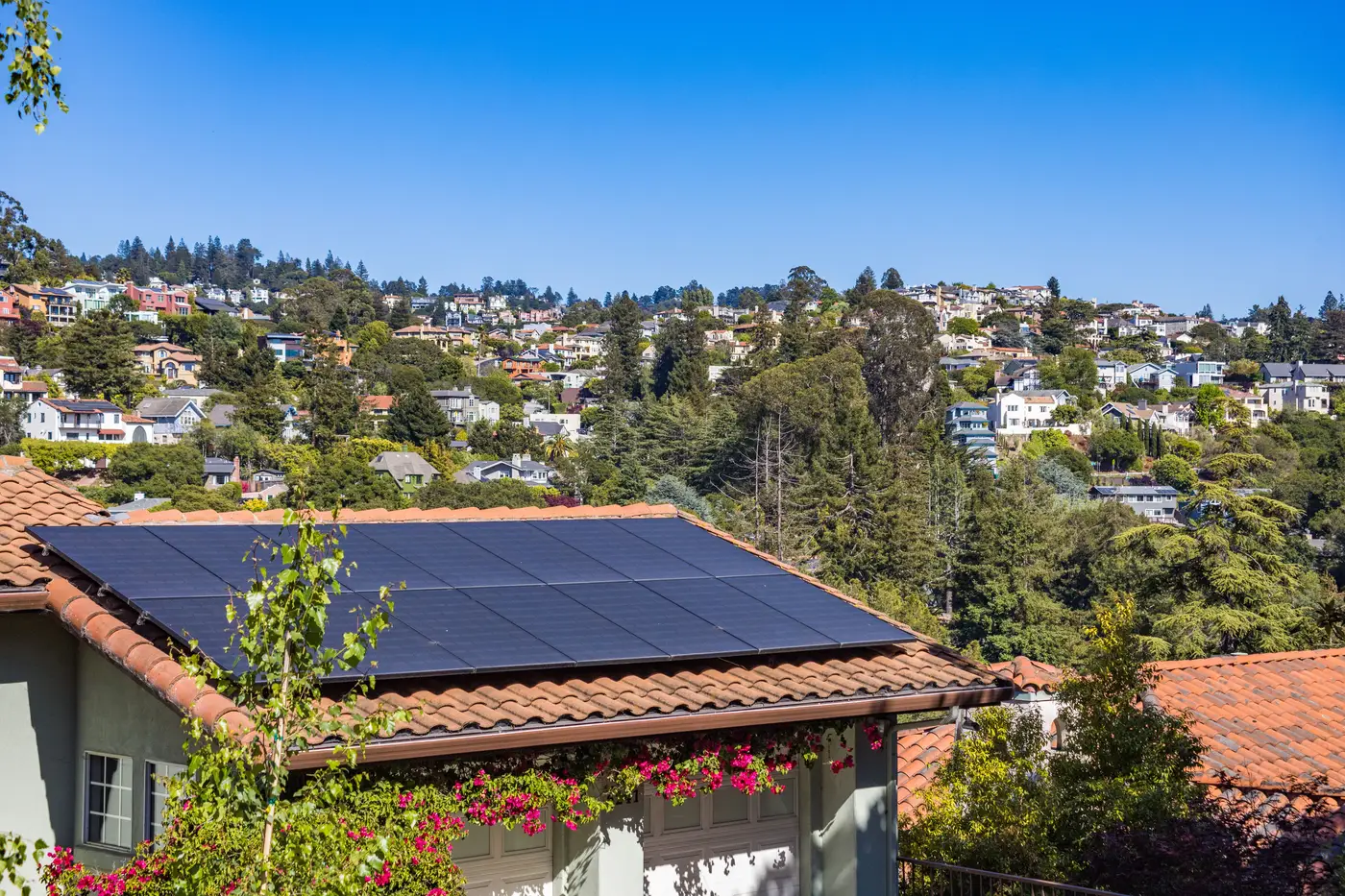
A rooftop solar array reads the same from the curb whether the homeowner bought it outright or signed a twenty-year lease with a solar company. It doesn't read the same on the policy.
Who actually owns the panels on the roof
Owned panels are simple in principle. The homeowner paid for them (cash or a home-equity loan), the panels belong to the dwelling, and they get added to Coverage A like any other permanent fixture, same as a new roof or an attached deck.
Leased and PPA (power purchase agreement) panels are a different animal. The solar company still owns the equipment. It sits on the homeowner's roof, it's bolted into the homeowner's rafters, but title stays with the installer or a financing entity, often recorded as a UCC-1 fixture filing against the property. The homeowner pays a monthly fee or buys the power at a set rate, and the solar company is usually the one carrying property coverage on the panels themselves, not your policyholder.
That split in ownership is exactly why these arrays get missed. The homeowner doesn't think of leased panels as "their" equipment, so they don't mention them on a renewal questionnaire. From where the policyholder sits, it's the solar company's problem.
What changes on the homeowners policy
Ownership determines who insures the hardware. It doesn't determine who gets sued.
If a leased panel comes loose in a windstorm and puts a hole through a neighbor's car, or a roof penetration from the mounting rack lets water into the attic and causes mold, the claim against your policyholder's liability coverage doesn't care that a third party owns the panels. The homeowner invited the installation, the homeowner lives there, and in most of these suits the homeowner is named right alongside the solar company. Liability exposure follows the roof, not the title.
On the property side, the differences are more concrete:
- Owned panels belong in the replacement cost estimate for Coverage A. If they're not in the file, the dwelling limit is running light, sometimes by five figures once installation and inverter equipment are counted.
- Leased panels sit outside Coverage A because the homeowner doesn't hold title to them. They still trigger a power-generating equipment endorsement question on most carrier applications, and many lease agreements require the homeowner's insurer to name the solar company or its financing partner as an additional insured or loss payee. Miss that requirement and you've got a certificate problem waiting for the next renewal audit.
- Either way, a roof-mounted array changes wind and hail exposure, and changes how a claims adjuster scopes storm damage. A roof with panels is not the same claim as a bare roof.
None of this shows up on a standard application unless the agent specifically asks, and most don't ask twice at renewal. The homeowner who disclosed a leased system at binding three years ago rarely calls to update it, and the homeowner who added panels last spring under a 0%-down lease offer never thought to call at all.
Why disclosure gaps show up at renewal
Solar typically gets disclosed, if at all, at the point of sale or financing. That's the moment a homeowner signs paperwork and thinks about insurance for the array. Few homeowners think to call their agent again once the renewal cycle rolls around on its own. By the time an array surfaces on the underwriting side, it's usually because a claim came in, a wind event hit the neighborhood, or an agent happened to drive by. None of those are a reliable way to run a book.
That's the gap this site is built around. Liability Features runs an annual sweep of very-high-resolution imagery across a policy list and flags solar arrays, pools, trampolines, and detached structures that didn't make it onto the file. Ownership structure doesn't change what the imagery shows, and it doesn't change the liability exposure either.
If solar disclosure gaps are turning up in your book at claim time instead of renewal, it's worth seeing what an annual imagery sweep catches on your own policy list.