In-ground vs above-ground pools: how underwriters treat them differently
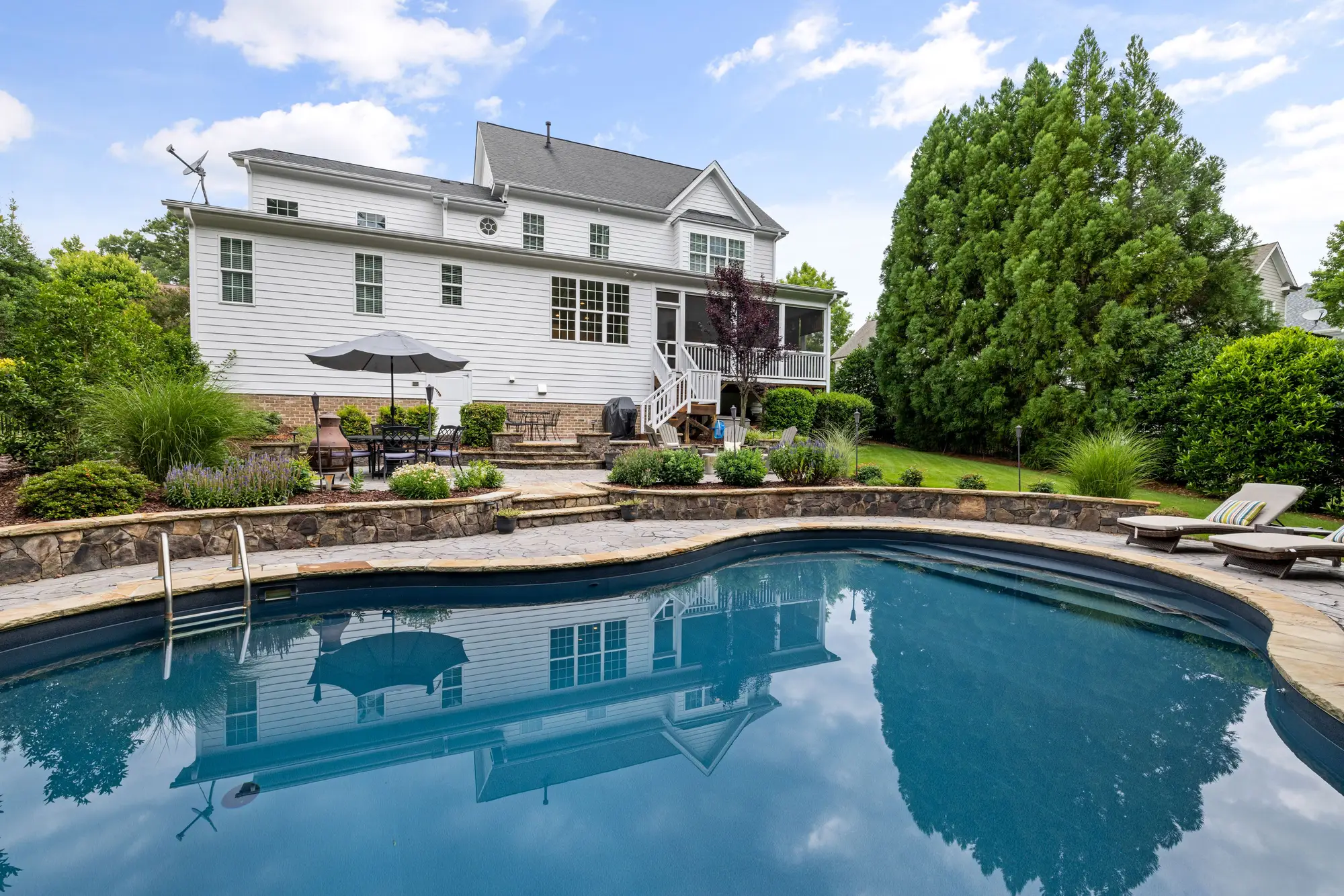
A pool is a pool until you start writing the file, and then it isn't. An in-ground pool and an above-ground pool sit in different places on a homeowners policy, get rated differently, and carry different liability questions at renewal. If your rating engine or your file notes don't distinguish between the two, you're probably underpricing one of them.
Why the distinction matters on the file
An in-ground pool is a permanent structure. It's excavated, plumbed, usually tied to the dwelling's electrical and sometimes its foundation drainage, and it isn't coming out without a contractor and a permit. That permanence is why most carriers treat it as an "other structures" item under Coverage B, or roll it into replacement cost on the dwelling itself. It also raises the liability conversation automatically: attractive nuisance exposure, state or local fencing codes, diving boards and slides, sometimes a mandatory umbrella referral depending on your guidelines.
An above-ground pool reads differently on paper. It's assembled from a kit, sits on blocks or a pad, and in a lot of cases comes down every October and goes back up every May. Underwriters frequently treat it as personal property rather than a structure, with a lower or even excluded liability limit depending on depth and whether it has a permanent deck or ladder attached. Some guidelines cap coverage at a certain gallon capacity or require the pool to have a lockable ladder or barrier before liability applies at all.
Same hazard, functionally. A kid can drown in four feet of water in a $400 ring pool as easily as in a gunite in-ground. But the policy language and the rating treatment aren't the same, and that gap is exactly where a file goes stale.
Permanent vs. portable: the rating question underneath it
The classification question that actually drives the rate isn't "in-ground or above-ground." It's permanence. A below-grade pool with a permanent deck, lighting, and a pump house is a structure no matter what the shell is made of. A soft-sided above-ground pool that gets drained and stored for winter is closer to a trampoline or a swing set: seasonal personal property with a liability tail attached only while it's up.
The trouble is that the label on the application rarely tracks this distinction. Policyholders write "pool" or nothing at all, and the file carries whatever was true at binding, which for a lot of these properties is three, five, ten renewals ago. An above-ground pool put up two summers back, or an in-ground pool added when the prior owner sold the house, often never makes it onto an endorsement because nobody thought to call it in.
What actually shows up versus what's on file
This is the part that costs money at claim time, not at underwriting. A pool that's physically on the property but not reflected on the declarations page means the carrier is covering a liability exposure it never rated for, and in some jurisdictions never agreed to cover at all if the policy excludes unscheduled structures.
At renewal, the practical checklist is short:
- Is there a pool on the property that isn't on the file?
- If so, is it permanent (in-ground, built deck, fixed plumbing) or portable (above-ground, seasonal)?
- Does it have a barrier or fence that meets the applicable code?
- Is there a diving board, slide, or attached deck that changes the liability picture?
None of that comes from the application. It comes from either a site inspection, a policyholder who remembers to call, or a current look at the property itself. The first two are expensive and inconsistent; the third is where an annual imagery sweep matched against your policy list earns its keep, flagging a pool shape on a lot that has no pool endorsement on file so you're not finding out about it from a claims adjuster.
Pools, like trampolines and detached sheds, rarely show up on an application. They show up on imagery, and that's the gap Liability Features is built to close.