How to verify a detached structure before renewal
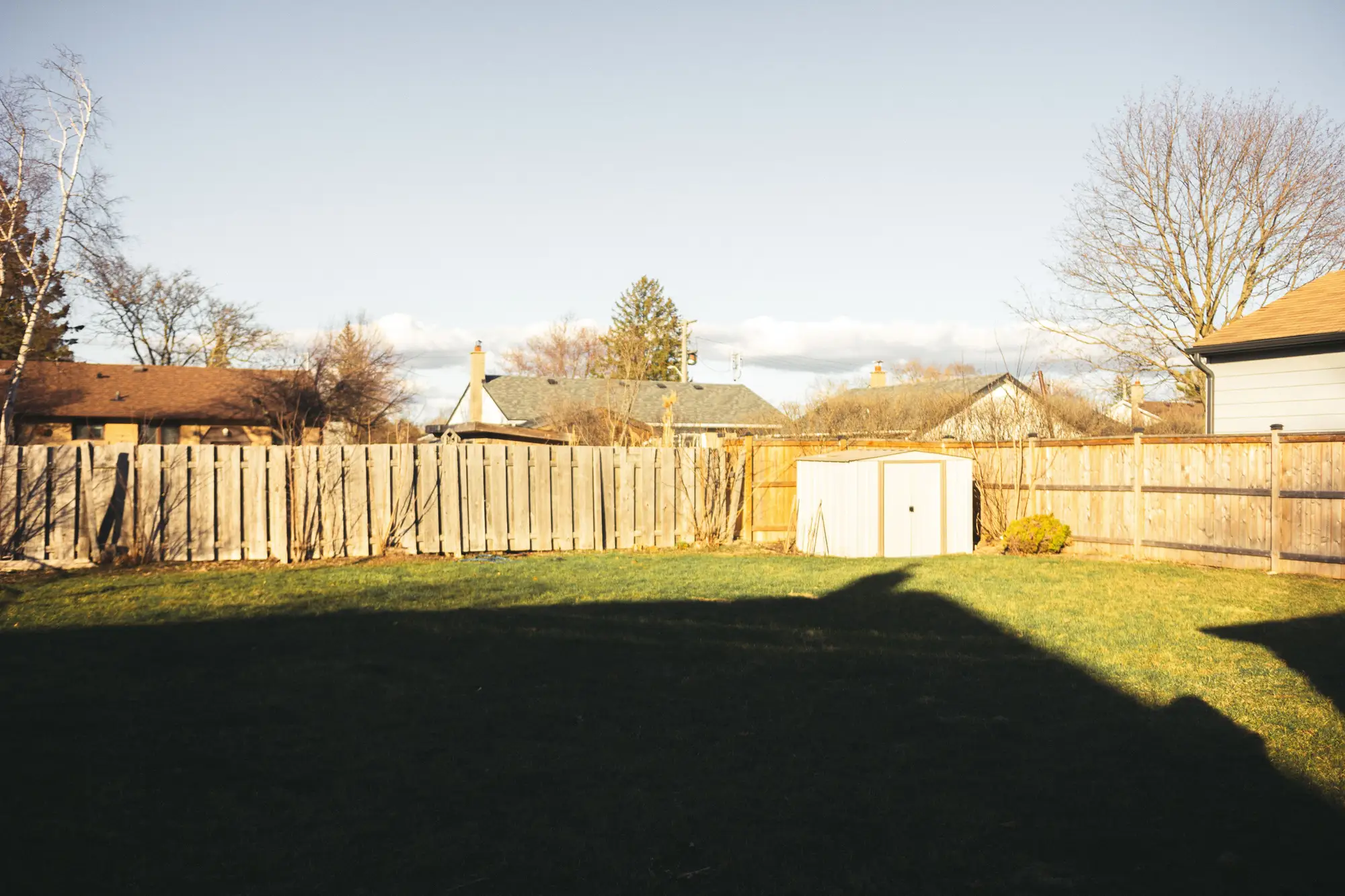
A pool house that shows up in a claims adjuster's photos three years after binding. A detached garage quietly converted into a rental unit. A she-shed with wiring run out to it, built on a weekend, never mentioned on any application. These are the files where Coverage B gets tested, and where it usually comes up short.
Coverage B, the "other structures" portion of a homeowners policy, typically runs at a flat percentage of Coverage A, often 10%. That number gets set at binding and rarely gets revisited unless something forces the issue, a renewal audit, an inspection ordered for unrelated reasons, or a claim. By the time a claim surfaces an unscheduled structure, you're negotiating coverage after the loss instead of pricing it before the loss.
Why detached structures slip past renewal review
Nobody's watching the lot after year one. The application captured what existed at binding, if that. Policyholders add a shed, convert a garage, pour a pad for a hot tub, and none of it triggers a call to their agent because most people don't think of a trampoline or a solar array as an insurance event. It's a backyard improvement to them. It's a coverage gap to you.
Desk audits don't catch this either, not because underwriters aren't thorough but because a file review works from what's already in the file. If the structure was never disclosed, there's nothing in the system prompting anyone to ask about it. The gap is self-perpetuating: no disclosure, no flag, no review, renewal goes through clean.
A short checklist for verifying what's actually on the lot
Before a renewal batch goes out, a few questions are worth running against the actual property rather than the application on file:
- Is there a structure on the lot that isn't named anywhere in the policy? Detached garages, pool houses, workshops, and guest units all fall under Coverage B, and an unscheduled one is either underinsured or uninsured depending on how your form handles it.
- Does the Coverage B limit still make sense given what's there now? A flat 10% set at binding doesn't move when a homeowner adds a second outbuilding.
- Are there features that change the risk profile rather than just the square footage? A pool changes liability exposure. A trampoline does too. A solar array raises replacement cost and introduces a roof-mounted system that may need its own scheduling.
- When was the lot last actually looked at, the physical property rather than the file? An application filled out at binding tells you what existed then, not what's there going into this renewal cycle.
None of this requires a site visit for every policy on the book. It requires a way to flag the files where the lot and the file have likely drifted apart, so a visit or a follow-up call gets spent where it matters.
Where the accessory structure conversation breaks down with policyholders
Even when you do ask, disclosure is inconsistent. A policyholder who built a detached garage five years ago may not remember to mention it at renewal; it stopped feeling new a long time ago. The same goes for a pool installed mid-term or a solar array added last spring. A renewal questionnaire asking "has anything changed on the property" reliably gets a form answer, rarely an accurate one.
This is the gap Liability Features was built to close. It works from very-high-resolution imagery rather than the application file, and flags the things that change Coverage B exposure and liability risk: pools, trampolines, solar arrays, detached structures, the features that rarely make it onto a form but matter the moment a claim comes in. An annual sweep delivered as a CSV keyed to your policy list, so you're reviewing based on what's actually on the lot, not what was disclosed when the policy was written.
If unscheduled accessory structures are costing you renewal-season surprises, have a look at how the sweep works before the next cycle goes out.