How to set a coverage limit for a converted garage apartment
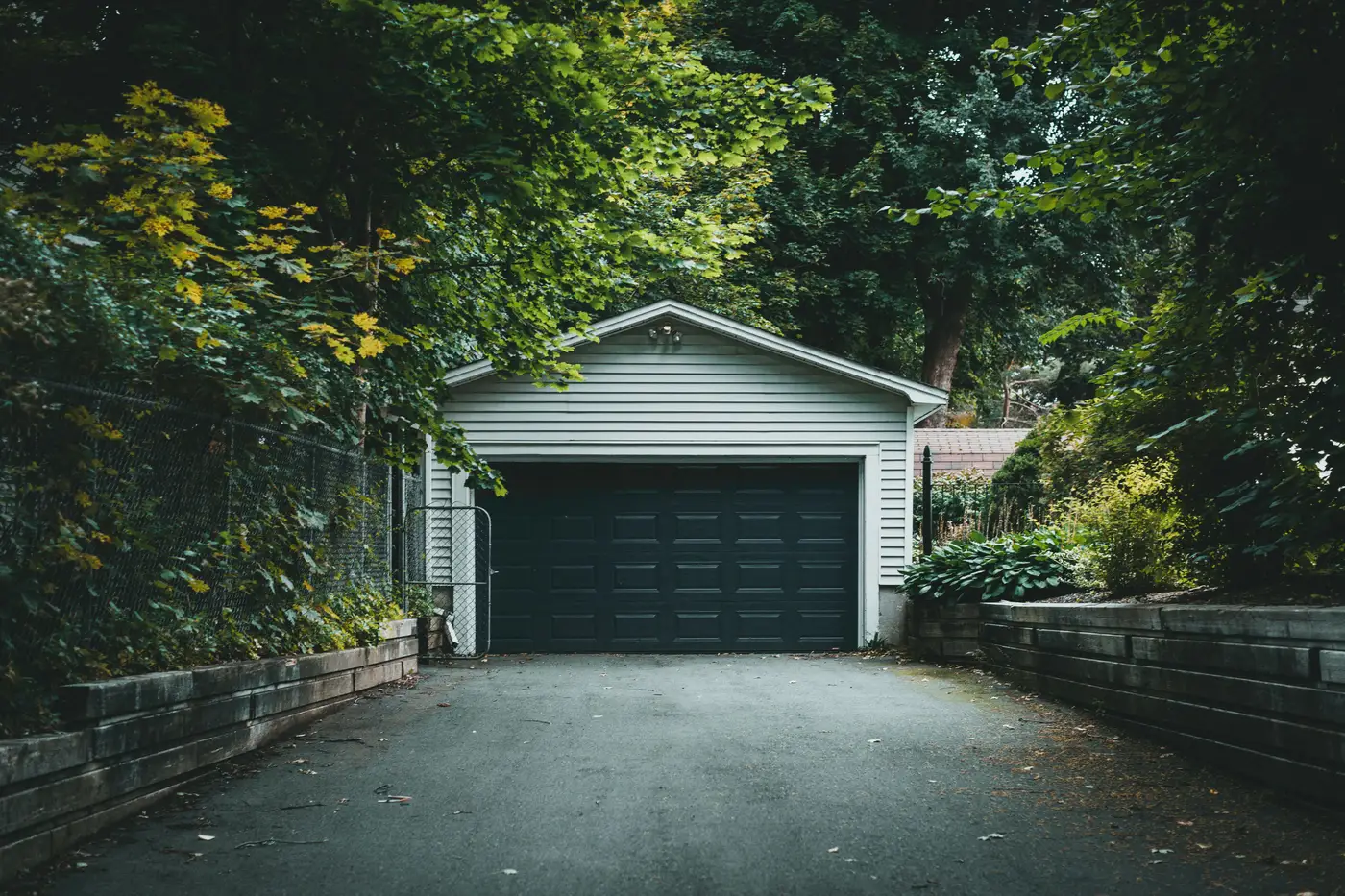
A detached garage that's been finished out as a one-bedroom rental, an office, or a mother-in-law suite isn't the same risk as the garage it started as. It has plumbing, electrical load, a kitchenette, and often a tenant. None of that shows up automatically on a homeowner's file, and the limit sitting on Coverage B was almost certainly written for an empty two-car garage, not a finished living space.
Why the standard limit falls short
Most HO-3 policies set Other Structures (Coverage B) as a percentage of Coverage A, typically somewhere in the 10% range. That number was never meant to price a converted structure. It covers a shed, a detached garage, a fence. Once a garage becomes a garage apartment, you've got higher rebuild cost per square foot, additional systems to replace, and in a lot of jurisdictions, a structure that may not have gone through permitting at all.
If the file still shows "detached garage" and nothing else, the Coverage B limit is doing math for a building that no longer exists. That gap doesn't surface at renewal. It surfaces at claim time, when the adjuster is standing in front of finished drywall and a kitchen the limit never priced for.
Setting the limit: start with what's actually there
A reasonable approach:
- Confirm square footage and finish level of the converted space, not just the footprint of the original garage.
- Price the rebuild using finished-structure costs: a converted garage with plumbing and electrical runs closer to dwelling-grade construction cost per square foot than to accessory-structure cost.
- Check whether the conversion is being rented. A rented ADU can trigger a different form or an endorsement depending on your carrier's rules, separate from the limit question entirely.
- Write the specific structure as a scheduled item under Coverage B, or endorse it, rather than leaving it folded into the blanket percentage. A scheduled limit is defensible at claim; a blanket percentage that happens to be "close enough" is not.
- Document the conversion date and any permit record you can get, because carriers calculating code-upgrade coverage after a loss use that date to set the compliance baseline.
Detached structure coverage limit decisions like this one are easiest to get right at the point you first learn the conversion exists. The hard part has never been the math. It's finding out the conversion happened at all.
The disclosure problem
Garage conversion insurance questions almost always start the same way: a claim comes in, and that's the first time anyone on the carrier side learns the garage had a tenant. ADU coverage on a homeowners policy depends entirely on the policyholder telling you about a feature that, from their side, doesn't feel like news. They finished the garage two summers ago. It's been a bedroom ever since. Nobody called to ask, so nobody called to tell.
Better application questions don't close this gap. People don't think to mention a room they built unless asked directly, and you can't ask about a feature you don't know exists. Checking the property itself catches it instead of waiting on the policyholder to volunteer it.
That's the gap closed by Liability Features' annual property sweep: it flags detached structures, additions, and other features that change the risk but never made it onto the application, delivered as a CSV keyed to your existing policy list.
If garage conversions and other undisclosed structures have been turning up at claim time instead of at renewal, it's worth seeing what an annual sweep would have caught on files you already wrote.