Ground-mount vs. rooftop solar: why renewal underwriting treats them differently
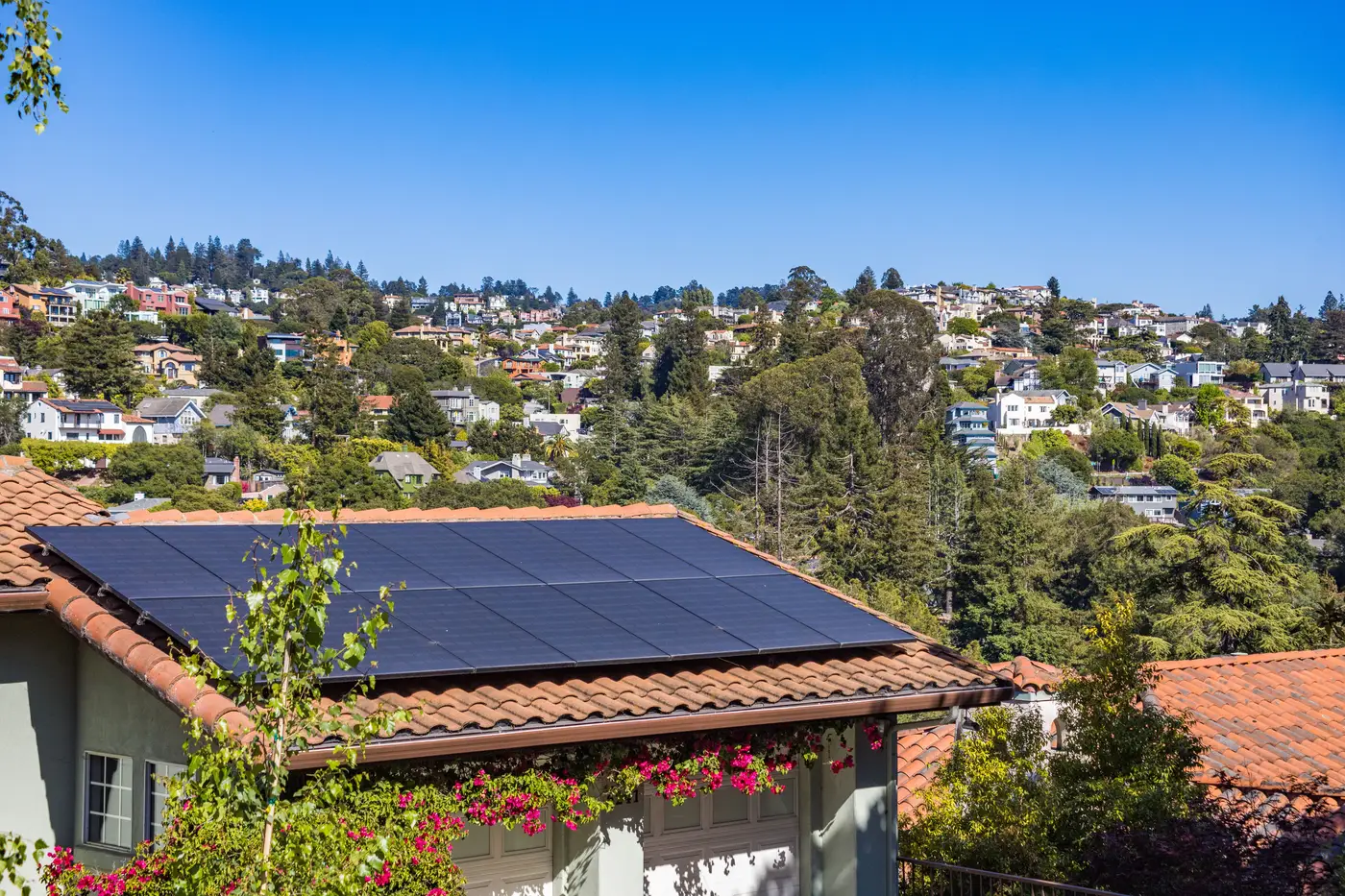
A rooftop array and a ground-mount array can produce the same kilowatts and still land in two completely different places on the policy. That distinction matters more at renewal than it did at binding, because solar additions almost never generate an endorsement request on their own. The homeowner adds panels, nobody calls, and the file just sits there until a storm or a claim forces the question.
Rooftop solar: usually absorbed into the dwelling
When panels are mounted to the roof deck, most carriers treat them as part of the structure, covered under Coverage A the same way siding or a new roof covering would be. The dwelling limit is supposed to flex to account for it, assuming the limit gets revisited at all. In practice, a lot of rooftop installs go in between renewals and never trigger a limit review, so you end up with a dwelling that's underinsured relative to its actual replacement cost. Annoying, but at least it's a Coverage A problem with a known fix: adjust the limit.
Ground-mount: a detached structure with its own rules
A ground-mount array sitting on a pole system or a rack out in the yard is a different animal. Most ISO-based homeowner forms treat anything not attached to the dwelling as "other structures," which means it falls under Coverage B, typically capped at 10% of the Coverage A limit. That cap was sized for sheds and detached garages, not a $30,000 racking system wired into the service panel. If the homeowner never disclosed the install, you've got a structure sitting outside the dwelling, uninsured in any meaningful way, competing against a shed, a fence, and a detached garage for the same 10% bucket.
Some carriers write ground-mount solar as a scheduled item under a separate endorsement instead of lumping it into Coverage B. Either way, the underwriting decision depends on knowing the array exists and knowing it's ground-mount rather than roof-mount. Neither fact shows up reliably on a renewal questionnaire, because most homeowners assume solar is solar and don't think to specify the mounting.
Why the disclosure gap persists
Policyholders don't withhold this information out of bad faith. They genuinely don't connect "I added solar" with "I need to tell my insurer how it's mounted." From the underwriter's seat, that leaves two versions of the same risk: a rooftop array quietly absorbed into an already-adequate dwelling limit, or a ground-mount structure sitting outside Coverage B with no premium collected against it and no cap acknowledged. The claim that surfaces this is usually a hailstorm or a tree limb, and by then you're explaining a coverage gap after the fact instead of pricing for it at renewal.
The mounting type also affects liability exposure in its own right. A ground-mount array is closer to grade, closer to a fence line, and more likely to be something a trespasser or a neighbor's kid interacts with directly, which is a different liability conversation than a rooftop system twelve feet up.
Catching it before the claim does
Short of a reinspection crew or a questionnaire nobody fills out honestly, the reliable way to know a solar array exists, and whether it's roof-mounted or ground-mount, is to look at the property from above. A detached rack sitting in the side yard reads differently in overhead imagery than panels flush against a roof plane, and that distinction is exactly the kind of feature that belongs on the file before the renewal, not after the adjuster's first site visit.
That's the gap Liability Features is built to close: an annual imagery sweep of your book that flags ground-mount arrays, pools, trampolines, and detached structures the application never mentioned, delivered as a CSV keyed to your policy list so you can route each one to the right coverage part before renewal instead of after a loss.
If solar disclosure keeps surfacing as a post-claim surprise on your book, it's worth seeing what an annual sweep would have caught.