Fire pit and outdoor kitchen liability exposure: what renewal review misses
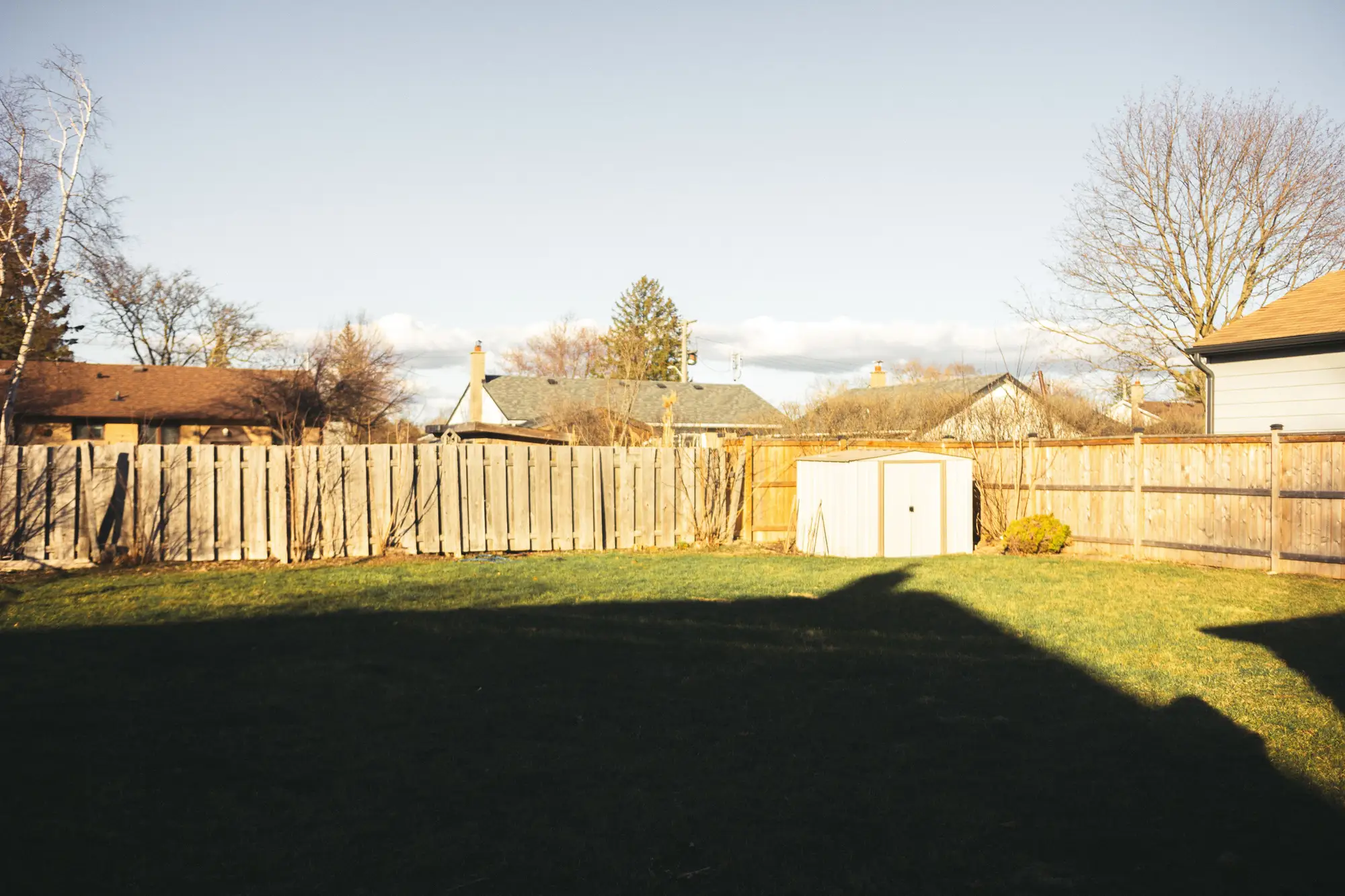
A fire pit built last spring. An outdoor kitchen with a built-in grill, a pizza oven, maybe a bar sink plumbed in. Neither one shows up on the declarations page, because neither one showed up on an application. They showed up on a weekend, with a contractor and a permit the homeowner may or may not have pulled.
At renewal, you're underwriting the house that was on file three years ago, not the yard that exists now. That gap is where fire pit and outdoor kitchen liability exposure quietly builds up on a book of business.
Why these two features slip past intake
A fire pit rarely gets mentioned at application because the policyholder doesn't think of it as a structure. It's a ring of stone or a prefab bowl, not an addition. An outdoor kitchen gets closer to disclosure territory since it involves real construction, but homeowners still tend to think of permits and inspections as the municipality's business, not the insurer's.
From a liability standpoint, both features change the picture. A fire pit is open flame on a residential lot, often near a fence line or combustible deck, and it draws kids and pets the way a pool does. Courts have treated fire pits under the same attractive-nuisance logic as pools and trampolines in some jurisdictions. An outdoor kitchen adds gas lines, electrical runs to an exterior panel, and a permanent structure that may push the dwelling's replacement cost higher than what's reflected in Coverage A, which has its own downstream effect on Coverage E exposure if there's ever a liability claim tied to the structure itself.
Neither one is necessarily a problem for the policy. Both are a problem when they're invisible to the file.
What a renewal review needs to catch
The honest version of this: most carriers find out about a fire pit when there's a burn claim, and find out about an outdoor kitchen when there's a slip-and-fall near the grill or a fire originating from the propane line. By then you're adjusting a claim against a risk profile you never priced for, and coverage disputes over undisclosed permanent fixtures aren't rare.
A few things worth checking at renewal, before the claim forces the issue:
- Has a fire feature been added since the last inspection or application, and is it built-in (gas line, masonry) versus portable?
- Is there an outdoor kitchen structure that should be reflected in dwelling replacement cost, not just treated as personal property?
- Does the structure sit close enough to a property line or neighboring structure to raise a separate liability question?
- Was a permit pulled, and does that change how the structure gets classified on the file?
None of this requires calling the policyholder and hoping for a complete answer. It requires seeing the lot as it actually sits today. That's the gap an annual imagery sweep is built to close: a scan of the property that flags the features that changed the risk, whether or not they ever made it onto a form. Liability Features runs that sweep off very-high-resolution imagery and delivers it as a CSV against your policy list, so a fire pit or outdoor kitchen built after the last application shows up before the next claim does, not after.
Where this fits in the renewal workflow
This runs alongside the application and your existing inspection triggers, as an annual check across the whole book that compares what the file says against what the imagery shows, instead of waiting for something to prompt a closer look on a single file. For a homeowner's risk, that means the fire pit added two summers ago and the outdoor kitchen poured in last fall both get caught at the same renewal cycle instead of staying off the file until something goes wrong near the grill.
The feature itself isn't usually the underwriting problem. An undisclosed one is. Catching it at renewal, rather than at claim, is the difference between pricing the risk you have now and pricing the one that was true when the policy was written.
If a fire pit or outdoor kitchen shouldn't be the thing you learn about from a claims adjuster, Liability Features is worth a look before your next renewal batch runs.