Field notes: the renewal where the pool had been there longer than the policy
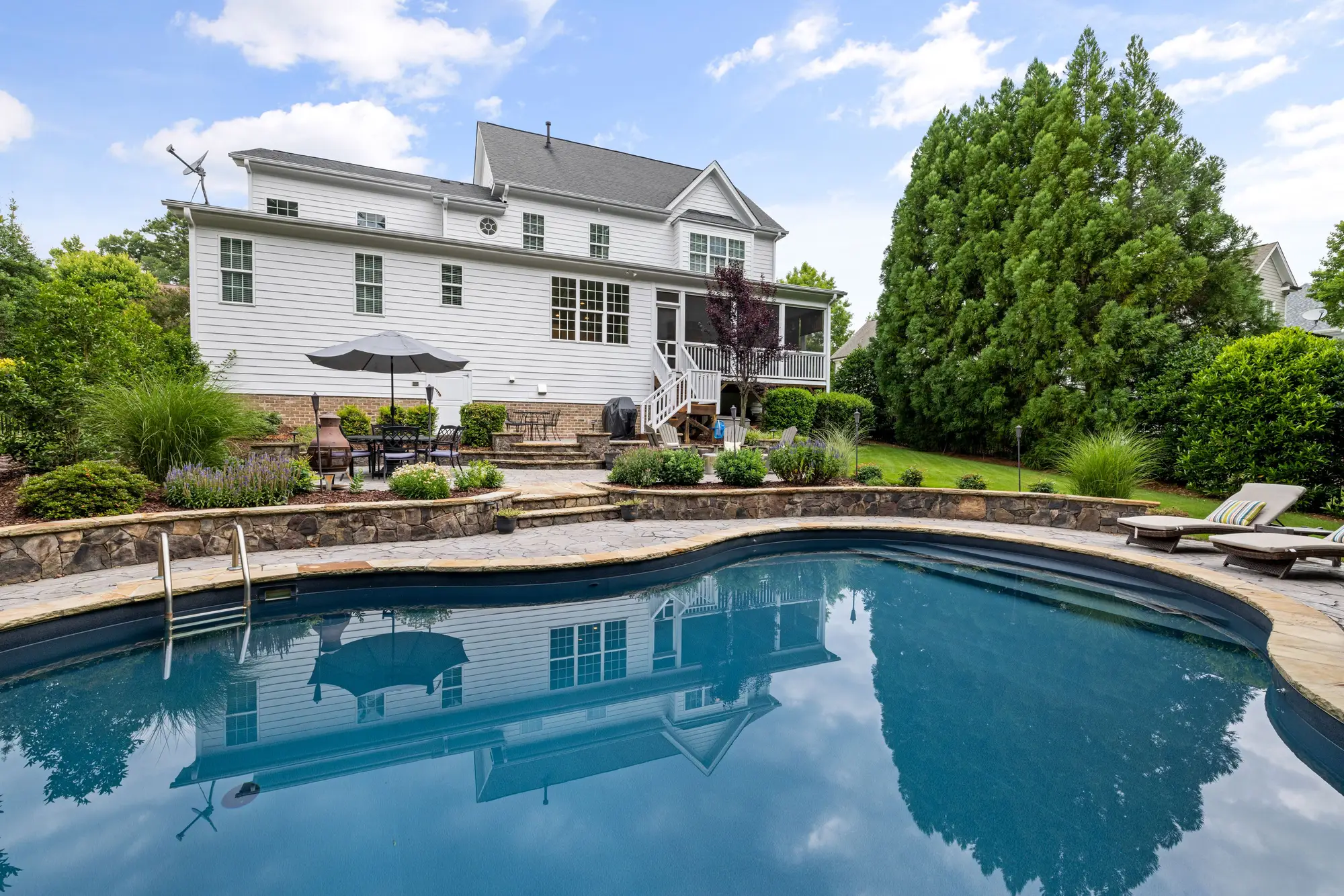
The file had been renewed nine times without a single endorsement. Clean loss history, same mortgagee, same agent of record since the Clinton administration practically. The kind of risk you flip past in about four seconds because nothing on the dec page has changed since the last time you looked at it.
Nothing on the dec page, that is. The yard was a different story.
I pulled aerial imagery while checking a cluster of addresses on the same street for an unrelated hail claim, and there it was: a fifteen-by-thirty in-ground pool, concrete deck, what looked like a pump house off the back corner. Dated imagery put it there by at least 2014. The policy had been written in 2009 and the application on file, scanned from whatever system we were running before the last system, listed no pool, no outbuildings, nothing but a detached one-car garage.
Twelve years. Call it a dozen renewal cycles where that pool sat there collecting nobody's attention.
This is not a story about a policyholder trying to pull something. I'd bet money the current homeowner didn't even know a pool wasn't on file. They bought it with the pool already in the ground, inherited the policy from the seller's transfer, and renewed it every year assuming whatever was being renewed matched what they were looking at out the kitchen window. Why would they think otherwise? Nobody ever asked them about the backyard again after the original application.
That's the part of this job that doesn't get talked about enough. Disclosure at binding is a snapshot. The property keeps moving after that, and the paperwork doesn't move with it unless somebody makes it. A pool gets poured, a trampoline shows up for the grandkids, a shed becomes a workshop becomes a small outbuilding with its own electrical panel, and none of it generates a phone call to the carrier. Why would it? The renewal notice doesn't ask "has anything changed," it just asks for the premium.
So the liability exposure grows every year the pool stays off the file: the limit was set for a yard that no longer exists, and the attractive nuisance sitting in the middle of it was never part of the underwriting. You don't find out until a neighbor's kid gets hurt diving into water that was never supposed to be there as far as the file is concerned, and then you're reconstructing twelve years of "should have known" in a claim file instead of a renewal file.
The street-level version of catching this is what I was doing that day: noticing something odd on one address and deciding to look at the neighbors while the imagery window was already open. It's a habit that depends on happening to be looking at the right street on the right day, and it only catches whatever's adjacent to whatever claim put me there in the first place. It doesn't touch the other four thousand files in the book that aren't next to a hail claim.
What I actually want is the version of that curiosity applied to the whole portfolio once a year, not whatever I happen to notice while doing something else. Run the book against current imagery, flag the pools and the solar arrays and the structures that don't match the file, and let the renewal underwriter decide what to do with each one instead of finding out at claim time. That's the whole pitch behind Liability Features: an annual sweep against your policy list instead of a lucky glance at the wrong moment.
I closed that file out with a note to underwriting ops and a call to the agent. The pool's been disclosed now, the limit's adjusted, and the policyholder was fine about it once someone explained why we asked. Twelve years late, but on the file at last.
If your renewal book has a few of these sitting in it too, that sweep is worth a look.