Field notes: the renewal season we stopped driving the block
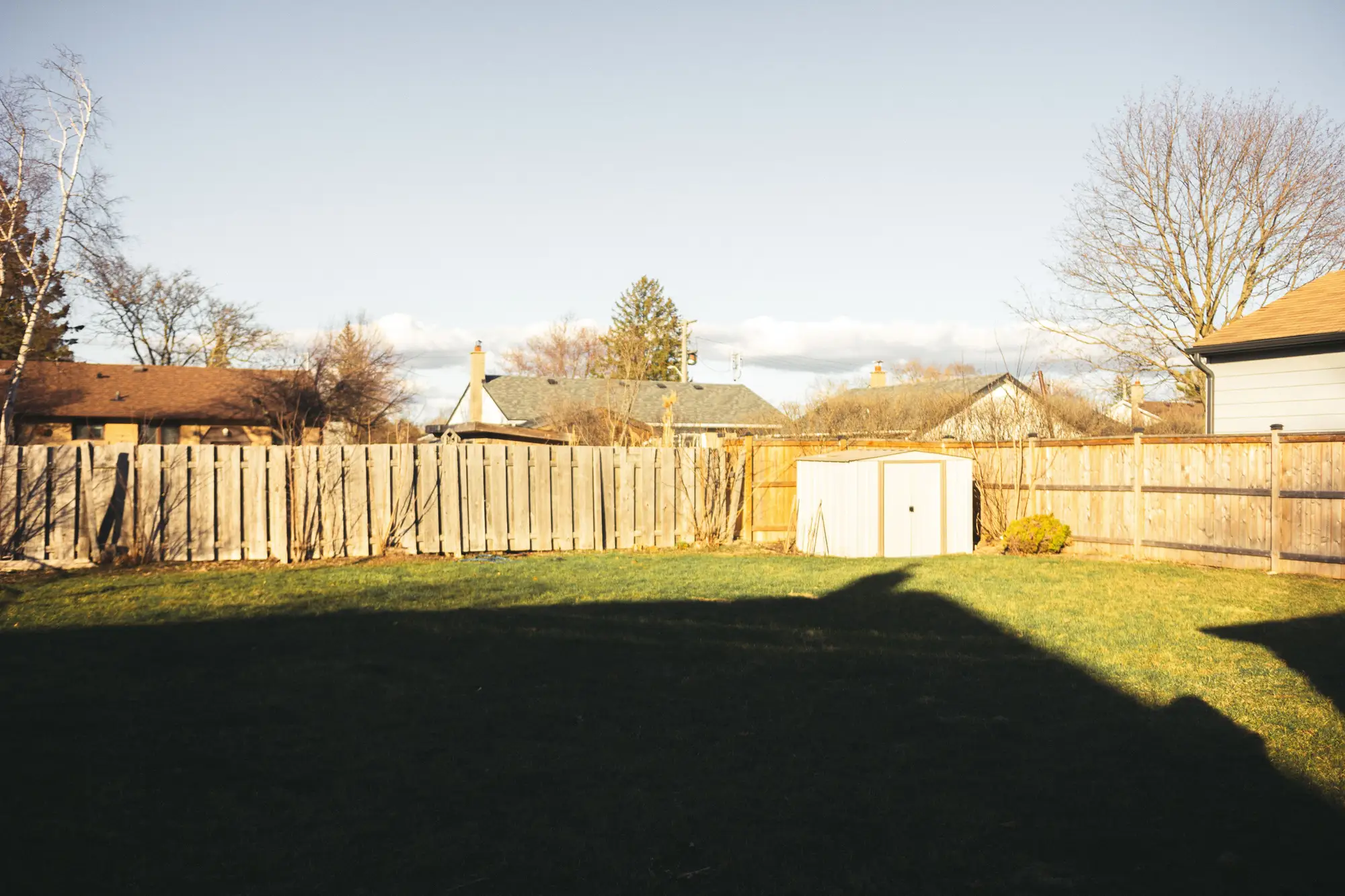
There used to be a week in every renewal cycle that got eaten by the car. Not every file, just the ones that nagged. A loss ratio that crept up for no obvious reason. A dwelling coverage limit that hadn't moved in six years on a street where every other roofline had changed. An agent note from 2019 that just said "ask about shed." Somebody had to get in the car and go look.
I say "somebody" because it was rarely the underwriter. It was whoever had a free afternoon, or it was a loss control vendor invoice that took three weeks to come back with a photo of a fence and a one-line note. By the time the file closed, renewal season had moved on without it.
Driving the block was always a workaround for one fact: the application is a snapshot from whenever the policy was written, and the property keeps living its life after that. A pool goes in.
A trampoline shows up for a grandkid's visit and never leaves. Somebody puts panels on the south-facing slope of the roof. None of it gets called in, because why would it. The homeowner isn't hiding anything. They just don't think of a pool as paperwork.
What changed this renewal season was math, not policy. The spot-check list kept growing while the time to work it stayed flat. Every carrier I talk to describes some version of the same math: more files flagged for "something looks off," the same three people available to go look at it, and a loss control schedule that was already full before any of those files got added. Driving the block scales to a handful of addresses a week. It does not scale to a book.
The habit broke by attrition, not by any decision. A file that would have gotten a drive-by two years ago now gets a note that says "defer to next renewal" and sits there, same as the shed note, waiting for a claim to force the question. That's the part that should bother an underwriter more than it does. The gap stayed open, just unexamined.
What fills some of that gap now is imagery pulled over the file list once a year, a pass that catches a pool, a trampoline, a detached structure, or a new solar array without anyone having to pick a street and drive it. It leaves the judgment call on a genuinely strange file to the underwriter. It covers the part of the job that was always just looking, not judging.
I don't think the drive-by disappears entirely. There's still a file where you want eyes on the actual condition of a roof, not just its footprint, and no sweep answers that. But the routine version, the "let's check this zip code because the loss ratio's been off" version, that one's harder to justify every renewal season when a CSV keyed to the same policy list can tell you which addresses picked up a feature that changes the risk, before you've spent a tank of gas finding out the hard way. If that's the gap on your book this cycle, Liability Features runs that sweep once a year and hands it back in a format your system already knows how to read.
The renewal cycle after this one will tell us whether that sweep actually catches what the drive-by used to catch, or just a different slice of it. For now, the block stays undriven, and the files that used to wait for a vendor report wait for the next imagery pass instead. Worth watching what shows up in it.
Curious what an annual sweep of your own renewal list would turn up this season.