Field notes: the fire pit that never made the application
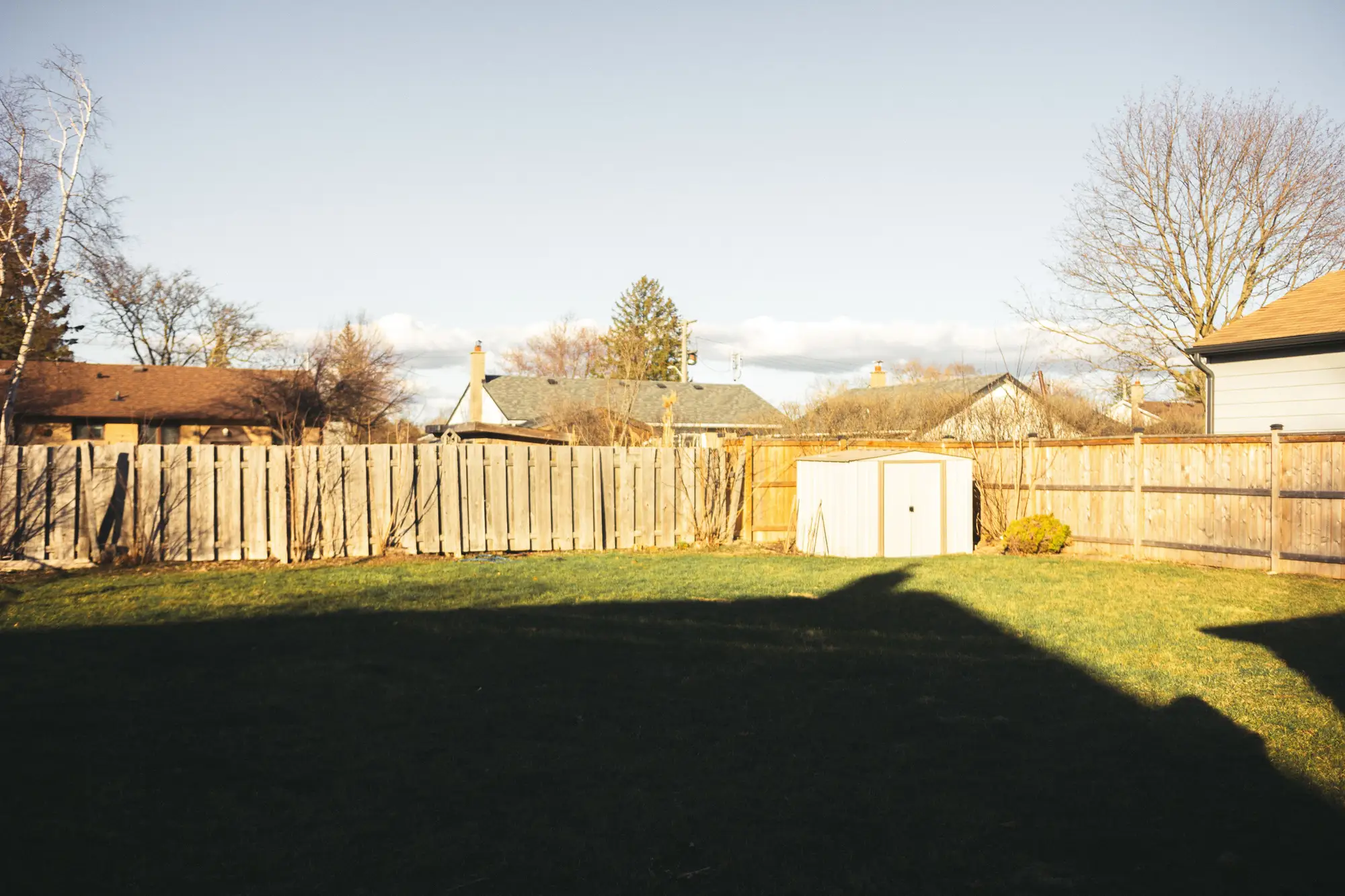
A claims adjuster in the Midwest told me about a file last spring: a backyard gathering, a few drinks, a guest who stepped backward into a stacked-stone fire pit and came away with second-degree burns on both hands. The homeowner's policy was five years old. Four renewals had come and gone. The fire pit wasn't on any of them.
It wasn't new, either. The homeowner's brother-in-law had built it the first summer they owned the house, out of pavers left over from a patio job. Nobody called it a structure. Nobody thought to mention it. It just sat there, next to the grill, for half a decade, quietly outside the file.
This is the part of underwriting nobody puts in the training manual: the gap between what a house has and what the application says it has isn't fraud, most of the time. It's just how people think about their own yards. A pool is a pool, everybody knows to disclose a pool. A trampoline, most agents ask about directly now because the loss history forced the question.
But a fire pit? A homeowner sees a pile of rocks they put there themselves. An underwriter, if they ever saw it, would see an open-flame liability exposure sitting twelve feet from a wood fence.
Outdoor living spending has been climbing for years, and the fire pit category has moved with it. What used to be a $40 portable bowl from the hardware store is now, in a lot of these builds, a permanent masonry feature with a gas line run to it, sometimes built into a larger patio or pergola structure. That shift matters for risk the same way a pool shifts risk: it's not going anywhere, it's used by people who aren't the policyholder, and it generates exactly the kind of bodily injury claim that liability limits exist for.
None of this shows up at new business. It shows up at renewal, if it shows up at all, and mostly it shows up in a loss run. By then you're not underwriting a risk. You're pricing a claim you already paid.
The honest version of the problem is that the application was never designed to catch this. It was designed around the assumption that the policyholder would volunteer changes to the property, and most won't, not because they're hiding anything but because a backyard fire pit doesn't register as a form question to them. It registers as a form question to you.
I bring this up because it's a useful way to think about what's missing at renewal review. Loss history tells you what already happened. A phone call to the insured tells you what they remember to mention. Neither one tells you what a satellite photo would tell you in about four seconds: there's a stone circle behind the garage that wasn't there when the policy was written, there's a pool that got filled in, there's a solar array on the south-facing roof that changes the dwelling's replacement cost math entirely. That's the gap an annual imagery sweep keyed to your policy list is built to close, flagging pools, trampolines, solar installs, and detached structures the application never caught, before a claim is the thing that tells you they're there.
Fire pits aren't glamorous. They don't carry the same name recognition as a pool or a trampoline in a liability conversation. But ask any adjuster who's worked a backyard burn claim, and they'll tell you the same thing that claims file told me: the exposure was sitting in plain sight the whole time, just never on the paper.
Worth a look before the next renewal batch runs.