Boat dock and boathouse exposure: what renewal files miss on waterfront homes
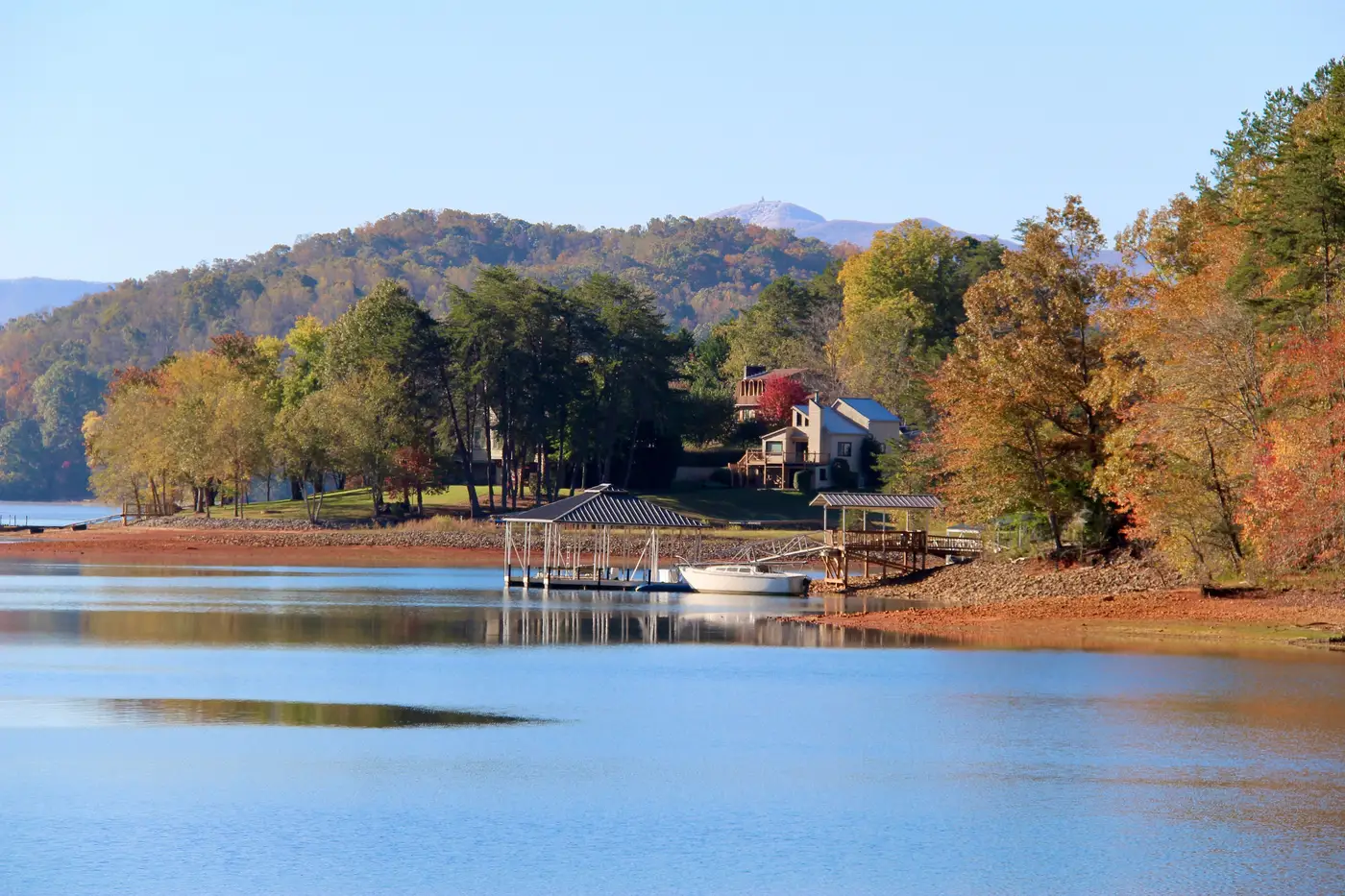
A lakefront or riverfront homeowners file looks routine until a claim comes in off a structure nobody wrote down. The house is rated correctly. The dock, the boathouse, the lift sitting in the water next to it, none of that showed up anywhere in underwriting.
Why the dock rarely makes it onto the file
Most waterfront properties change hands with the dock already standing. The seller never called it a "structure," the buyer never thought to mention it, and the agent writing the application was working off a questionnaire built for siding and roof age, not shoreline improvements. A boathouse with a slip and a small upper deck can sit on a property for a decade without a line item anywhere in the file.
Docks also get built or rebuilt after the policy is already in force. A storm takes out the old one, the homeowner hires a contractor the following spring, and the new structure is bigger, often with a covered boathouse or a second story that wasn't there before. None of that triggers a call to the carrier. It just sits there until someone falls off the diving board attached to it, or a guest gets hurt stepping onto a boat lift that was never designed for foot traffic.
This is the same blind spot behind the backyard pool and the unpermitted shed, just wetter. The homeowner isn't hiding anything on purpose. They just don't think of a dock as a structure that needs disclosing, the same way they wouldn't think to disclose a fence.
Attached or detached: the Coverage B question
Once a dock or boathouse is identified, the next question is how it's built, because that decides which coverage part responds and how much liability sits behind it.
A dock that's physically connected to the dwelling, a walkway off the back deck leading straight to a covered slip, for instance, can sometimes fall under Coverage A depending on the form and how the carrier interprets "connected by a common wall or roof." Most docks, though, stand apart from the house entirely: pilings in the water, a separate boathouse with its own roof, a detached structure in every sense that matters. That's Coverage B territory, and Coverage B on a standard HO-3 is typically capped at a sublimit, often a percentage of the Coverage A limit, not a number set to the replacement cost of a boathouse with a slip, an upper deck, and electrical service run out to it.
That gap matters more on waterfront risk than it does on, say, a detached garage. A detached garage that exceeds its sublimit is a replacement-cost shortfall at claim time, the kind of thing a carrier absorbs and moves on from. A boathouse or dock that exceeds its sublimit carries that same valuation gap, plus everything that comes with open water: a ladder, a boat lift, kids jumping off a deck that was never built to code for public access. If the sublimit was set assuming a shed and a detached garage, and what's standing on the risk is a two-story boathouse with a slip, the shortfall between what's insured and what's exposed is a liability problem, not just a valuation one.
Closing the gap at renewal
On waterfront business, the forms are fine. What's missing is an accurate record of what's standing on the lot, and most carriers only learn about it through a claim, a renewal inspection that happens to catch it, or an agent who thinks to ask. None of those are reliable on a book with any volume.
An annual sweep of the property file against current imagery closes that gap before renewal rather than after a loss. Liability Features flags docks, boathouses, and other detached structures visible on the parcel so the underwriter is working from what's actually there, not from what was disclosed five renewals ago.
If boat docks and boathouses are a recurring blind spot on your waterfront book, it's worth seeing what a current-year sweep of your policy list turns up.