Attractive nuisance doctrine: what it means for homeowners insurance
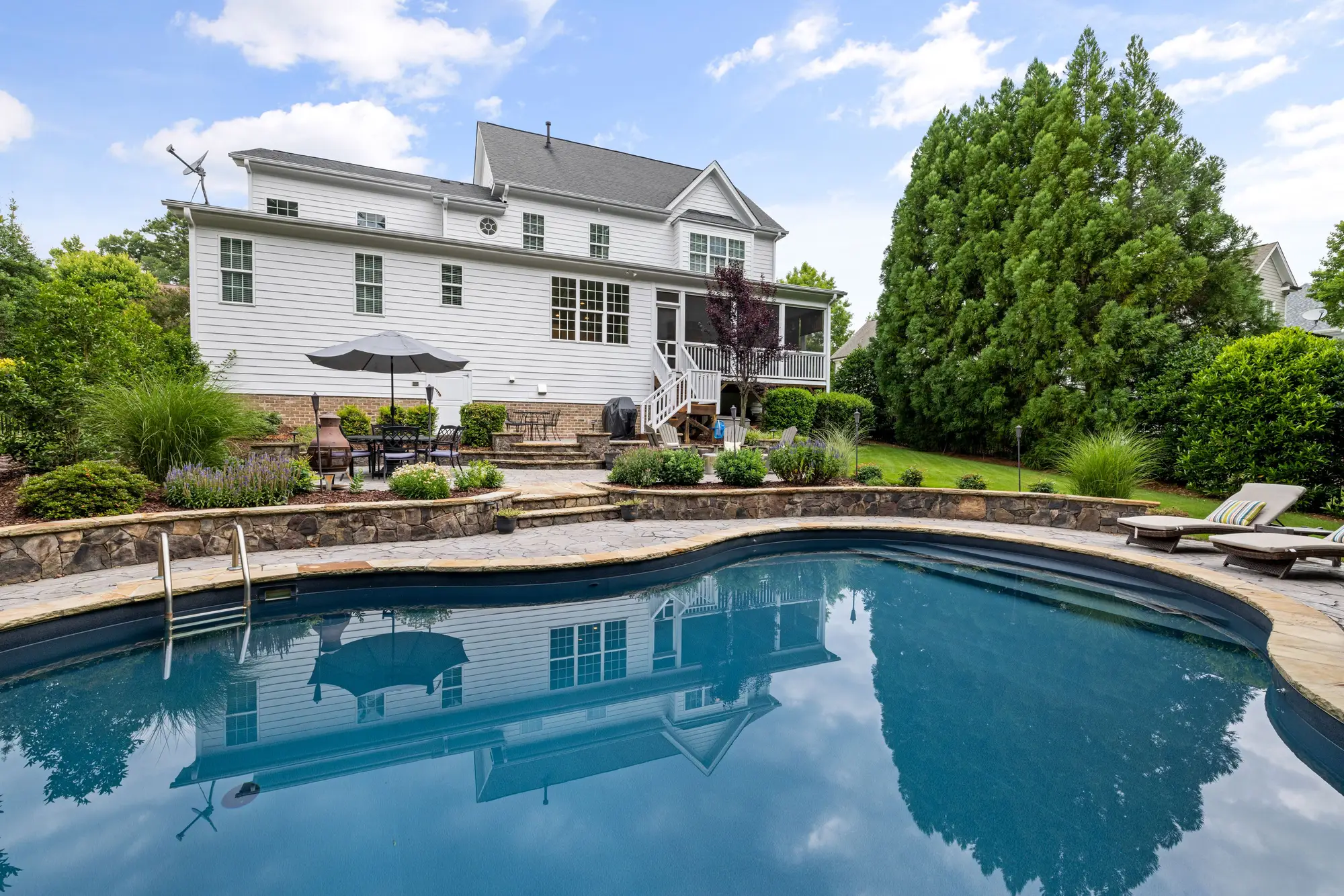
Attractive nuisance doctrine comes up in training on day one and then mostly gets forgotten until a claim, or an E&O file, lands on your desk with a pool or trampoline nobody ever wrote down. Here's the plain version of what it means and why it matters more at renewal than most people think.
What the doctrine actually says
The attractive nuisance doctrine holds a property owner to a higher standard of care for conditions likely to draw in children who can't appreciate the danger involved. Courts don't require the child to be invited onto the property, or even permitted there. A pool, a trampoline, a half-built treehouse, an old appliance left in the yard: anything a kid might wander toward and get hurt on can trigger it. The owner's duty shifts from "don't be negligent toward people you know might show up" to something closer to "a reasonable owner would have expected a child to find this, so it should have been fenced, covered, or removed."
For personal lines, this doctrine is the legal hook behind a lot of the bodily injury claims that seem to come out of nowhere. A homeowner has had an above-ground pool for four years. Never fenced, never disclosed on the application. A neighbor's kid climbs the ladder while nobody's watching. The claim lands against a liability section that was priced as though the pool didn't exist.
Why pool liability exposure keeps slipping through underwriting
Most applications ask the policyholder to disclose pools, trampolines, and similar features at binding, and sometimes again at renewal. In practice, disclosure depends entirely on the policyholder remembering it, understanding why it matters, or deciding to mention it. None of those things are guaranteed. A policyholder who bought a trampoline for the grandkids last summer isn't thinking about liability limits. Someone who inherited a pool with the house might not realize it needs to go on file at all.
The result is a book of business where the paper doesn't match the property. Underwriters usually find out about the pool, the trampoline, or the unpermitted shed the same way adjusters do: after something has already gone wrong, when it's too late to have priced for it or attached the right endorsement.
Backyard hazard liability beyond the pool
Attractive nuisance cases aren't limited to swimming pools, even though pools are the textbook example. Trampolines show up constantly in the case law. So do abandoned wells, old farm equipment, unsecured ponds, and stacked lumber or debris piles kids like to climb. Any backyard hazard liability exposure that's visible from above and sitting there year-round is a candidate for an attractive nuisance claim if a neighborhood kid gets hurt on it.
That's the part worth sitting with at renewal time. A property can look completely stable on paper, same policyholder, same coverage, same premium, and still have picked up a pool, a trampoline, or a detached structure since the last time anyone actually looked at the lot. None of that shows up in a renewal questionnaire that few people read closely and fewer still answer in full.
Closing the disclosure gap at renewal
Short of walking every lot in the book once a year, the practical answer has been to accept the gap and hope the policyholder discloses. Liability Features was built around that exact problem: a yearly pass over very-high-resolution imagery for every address on your book, flagging pools, trampolines, solar installations, and detached structures that don't match the file, delivered as a CSV keyed to your policy list.
It doesn't replace the application or the inspection process. It gives you a way to see the pool, the trampoline, or the new shed before a claim turns the disclosure question moot. If your renewal file is likely carrying more undisclosed backyard features than you'd want to find out about from a claims adjuster, it's worth a look at what an annual sweep would turn up.